
Review · AMRITSAR
Amritsar: Golden Temple and Jallianwala Bagh Guided Tour
The most memorable part of this Amritsar tour is the contrast between the Golden Temple’s calm beauty and the painful story told at Jallianwala Bagh. In one outing, you move from Sikh prayer, music, and service to the 1919 massacre that helped shape India’s freedom struggle.
I especially like the visit to the Langar kitchen, where free meals are prepared for tens of thousands of people each day, and the chance to hear Sikh history explained by local guides such as Hardik, Prarit, or Deepak. The main consideration is time: one past participant felt the community kitchen section took time away from lingering at the Golden Temple itself.
Key points to know before booking
- Meet at Jallianwala Bagh: The tour starts outside the entrance near the white flame statue and returns there.
- See the Golden Temple beyond the postcard view: The route covers Akal Takht, Baba Deep Singh Gurudwara, museums, the Sarovar, and Sikh buildings.
- Go behind the Langar operation: You can see how the community kitchen serves roughly 50,000 to 150,000 people daily.
- Expect clear religious context: The guide explains Sikh philosophy, rituals, architecture, and local customs in English, Hindi, or Punjabi.
- Dress and packing matter: Cover your knees and shoulders, and do not bring tobacco, alcohol, cigarettes, e-cigarettes, or other prohibited items.
- Good value at $18: Transportation, food, and personal expenses are extra, but the price covers local guiding and access to several major sights.
Starting at Jallianwala Bagh
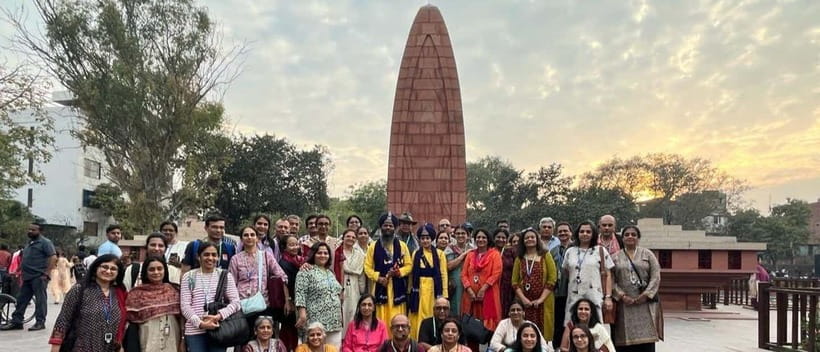
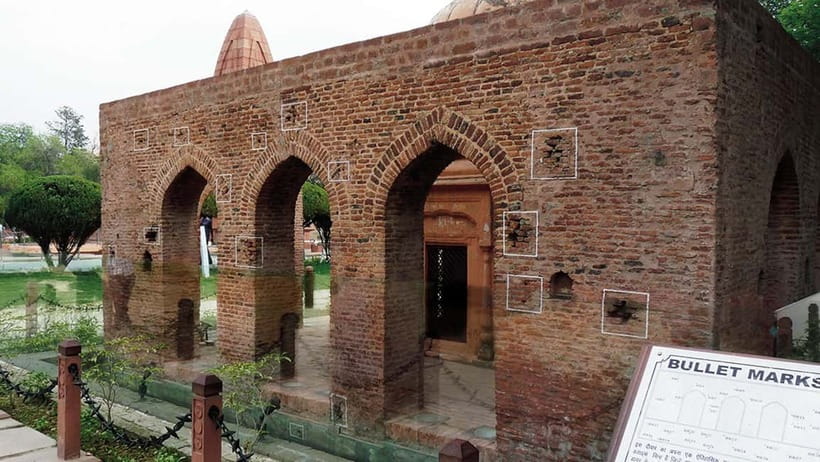
Beginning outside Jallianwala Bagh is a smart choice because it puts Amritsar’s modern history first. Meet your guide near the white flame statue, then enter this solemn memorial garden connected to the massacre of 1919.
This is not a stop to rush through. The site helps you understand the anger, grief, and political pressure that fed India’s movement for independence. It also gives useful context before you hear about the later division of British India into India and Pakistan in 1947.
Your guide’s role matters here. The historical events can feel confusing if you only read dates on plaques. Guides such as Hardik have explained the sequence of Sikh history, Amritsar’s development, colonial rule, the 1919 tragedy, and Partition in a way that is easier to follow.
I like beginning here because the visit is serious without being theatrical. The garden asks for quiet attention, and the guide can help you connect the place to the wider story of Amritsar. If you prefer a tour focused only on architecture and photography, this section may feel heavy, but it gives the rest of the experience more meaning.
More Golden Temple and Sikh Heritage Tours in India:
- Golden Temple Guided Tour (Planet Amritsar Inc.)
★ 5.0 · 78 reviews - Amritsar Golden Temple Tour
★ 5.0 · 61 reviews - Golden Temple, Jallianwala Bagh, Partition Museum & Wagha Border – #Travellouge
★ 5.0 · 60 reviews
Entering the Golden Temple complex
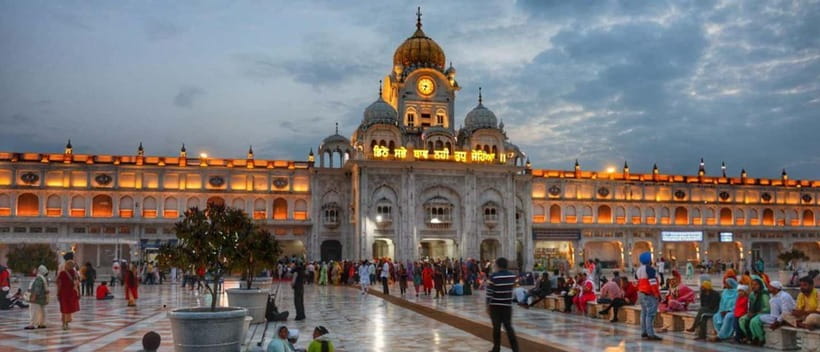
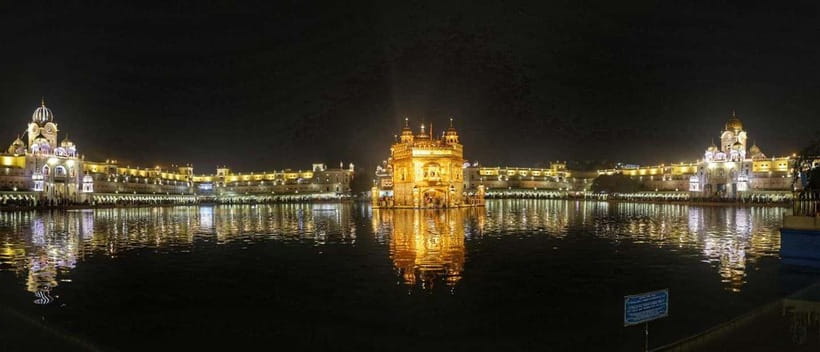
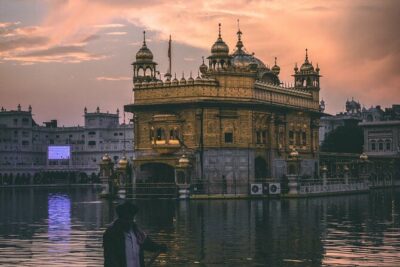
The Golden Temple, also called Sri Harimandir Sahib, is the spiritual center of Sikhism. Its appeal is not only its gold-covered appearance. The complex brings together prayer, music, service, history, and everyday community life in one active religious space.
As you move through the complex, you can expect your guide to explain the main ideas of Sikh philosophy and the meaning behind the architecture. That context turns a beautiful building into a place with a living purpose.
Gurbani, the sacred hymns of Sikhism, is sung with musical accompaniment around the temple. The sound carries across the complex and gives the visit its particular mood. I would allow yourself a little quiet time here, even while following the guide. Some places are better understood through listening than through photographs.
The Golden Temple represents human brotherhood and equality within Sikh teaching. The open welcome, the shared meals, and the steady flow of people all reinforce that idea. The visit can feel peaceful, but it is also a working place of worship, so you should follow your guide’s instructions and behave respectfully.
Akal Takht and the story of Sikh authority
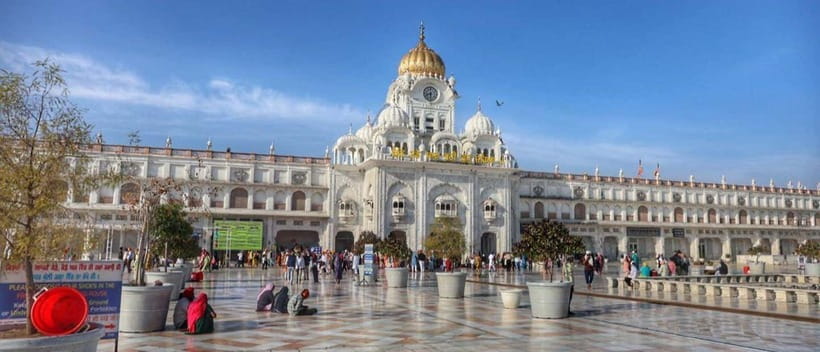
A visit to the Akal Takht adds an important layer to the Golden Temple complex. The tour connects the site to Sikh religious and community life, rather than treating the Golden Temple as an isolated monument.
Your guide can explain how Sikh institutions developed and why the Akal Takht matters within Sikh tradition. This is one of the places where a local explanation is especially useful. Without context, you might see another impressive building. With context, you begin to understand the relationship between spiritual practice, community decisions, and Sikh identity.
The tour also covers the history of Amritsar and the development of the Golden Temple. The guide may refer to the temple’s earlier construction in 1604, the Sikh Gurus, and later events that shaped the city and the wider region.
Baba Deep Singh Gurudwara and local devotion
The stop at Baba Deep Singh Gurudwara brings the tour closer to personal faith and Sikh memory. It is not simply another photo stop. Your guide explains the place within the story of Sikh courage, sacrifice, and devotion.
This part of the route works well after the main Golden Temple visit because it gives you another way to see how Sikh history is remembered. You are not only hearing about major institutions. You are also seeing how individual figures and acts of service remain part of local religious life.
The guide’s language can make a large difference here. Deepak has been praised for explaining religious ideas in simple English and answering questions carefully. If you are unfamiliar with Sikh beliefs, that patient approach helps you ask basic questions without feeling out of place.
More Temple Tours around India:
- New Delhi: Akshardham Temple Tour with Water and Light Show
★ 4.8 · 313 reviews - Old Delhi Food-Spice Market-Temples Tour Soon Featured on NETFLIX
★ 5.0 · 304 reviews - Private Guided Spiritual Walk in Banganga Hindu Temples
★ 5.0 · 271 reviews - Taj Mahal Sunrise with Lord Shiva Temple:- All Inclusive
★ 5.0 · 207 reviews
The Sarovar, Dukh Banjan Beri, and respectful participation
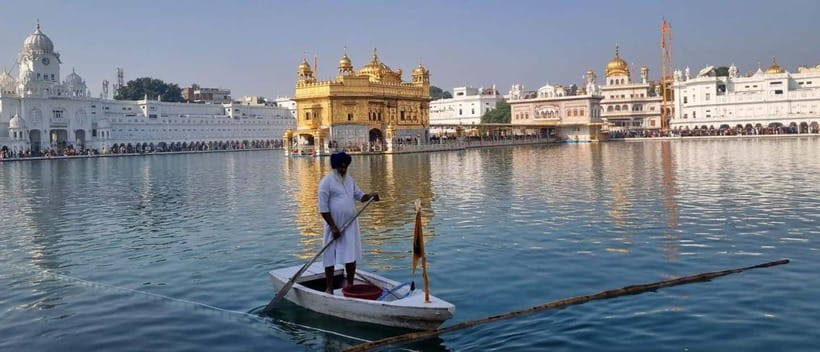
The Amrit Sarovar is the sacred pool surrounding the Golden Temple. The tour explains the importance of the water and the Dukh Banjan Beri, a historic tree connected with Sikh belief and tradition.
A holy dip in the Sarovar is part of the experience described for this tour. You should treat this as an optional act of religious participation, not a sightseeing requirement. You may prefer to observe quietly, and you should follow local rules and your guide’s advice.
The Sarovar also gives you one of the clearest views of the Golden Temple reflected in the water. I like this part because it slows the pace. After the explanations about dates, buildings, and institutions, the pool offers a simple place to pause and take in the setting.
Remember that the Golden Temple complex is a working religious site. Cover your shoulders and knees before entering. Do not bring tobacco, alcohol, cigarettes, e-cigarettes, or other prohibited items.
Museums, Bunga Ramgarhia, and Sikh records
The Sikh Central Museum adds visual material to the stories you hear during the walk. It helps place important figures and events within Sikh memory, and it gives you a chance to look closely at the way history and faith are presented together.
The tour also includes Bunga Ramgarhia and the Sikh Reference Library. These stops appeal most to people who want more than the familiar Golden Temple image. They show that the complex is also a center for scholarship, preservation, and historical record.
Giulia particularly enjoyed the Sikh museum and the community kitchen, while other guides have been praised for explaining architecture, religion, and culture in clear terms. I would pay attention to how the guide links these places. The value is not just seeing several buildings. It is understanding how worship, defense, learning, and community service fit together.
The museum section may feel less immediately dramatic than the Golden Temple itself. That is normal. Give it time if you want a stronger grasp of Sikh history, but if your priority is the temple’s atmosphere, you may find this portion more academic.
Inside the Langar, Amritsar’s great act of service
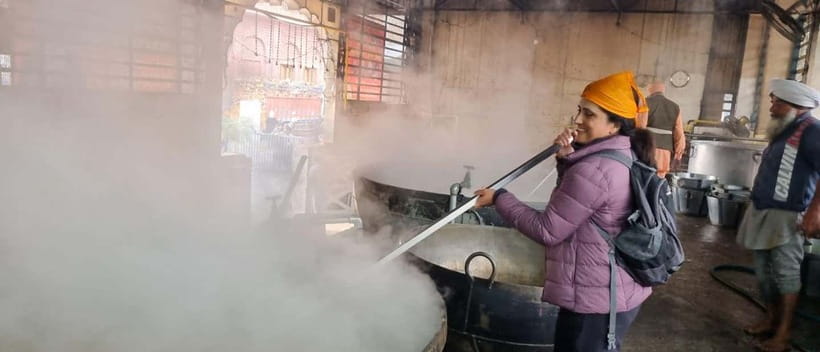
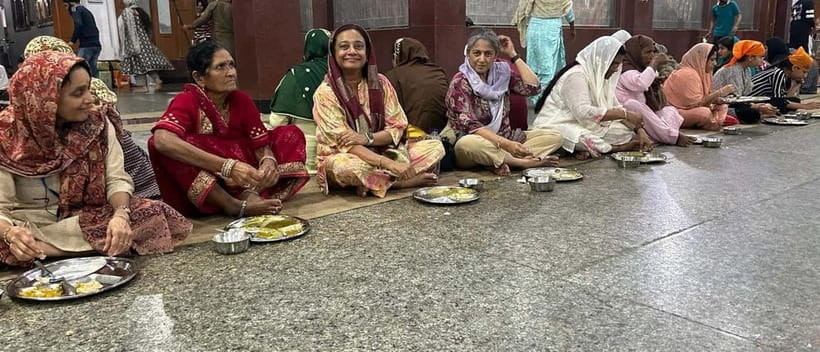
The Langar visit is the tour’s most unusual feature. Langar is the free community kitchen associated with Sikh places of worship. At the Golden Temple, roughly 50,000 to 150,000 people may receive food each day.
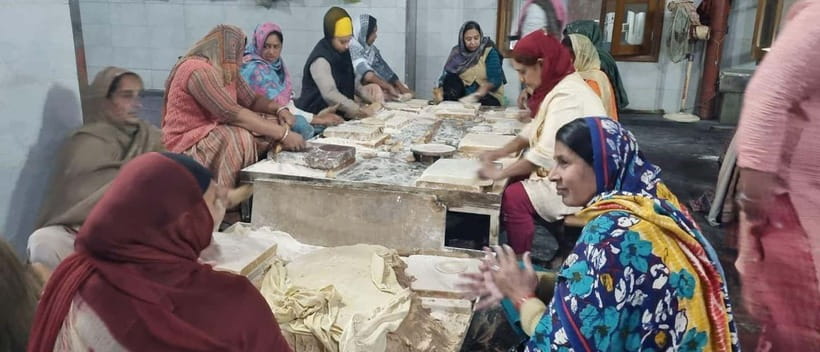
You are given a look at the working operation behind the meals, including the kitchen area. This is not a staged cultural display. It is a functioning service powered by volunteers and shared responsibility.
I find this section valuable because it makes Sikh equality practical. The meal is offered without charge, and the kitchen serves people across social and religious lines. You see the faith’s values expressed through chopping, cooking, serving, cleaning, and organizing.
The scale is hard to picture until you see the operation. Even then, the kitchen may take less time to understand than the Golden Temple itself. One participant wanted more time inside the temple and less time on the Langar section, so consider your own priorities before booking.
If your main interest is religious architecture, you might prefer a shorter kitchen visit. If you want to understand daily Sikh life and service, this may be the most rewarding part of the tour.
What the $18 price really covers
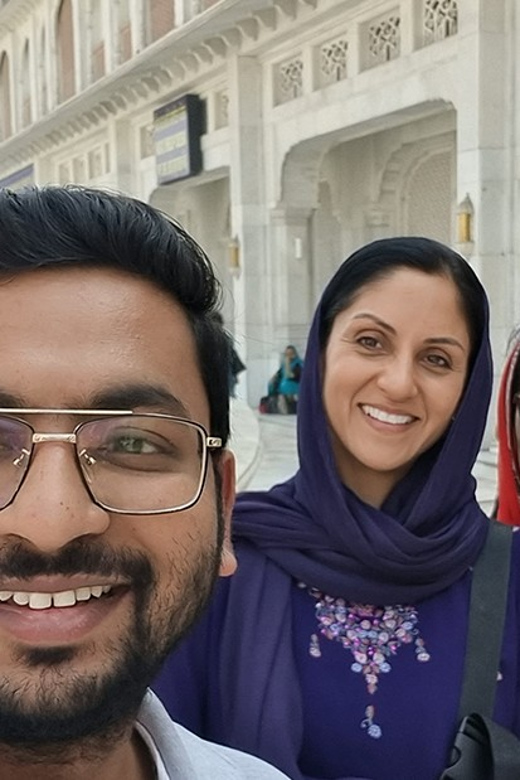
At $18 per person, this is a strong-value introduction to Amritsar’s key religious and historical sites. You are paying for a local guide, storytelling, language support, and a route that brings together places you might otherwise visit without context.
The price does not include transportation, food, or personal expenses. You must make your own way to the meeting point outside Jallianwala Bagh, and the tour ends there as well. That arrangement is simple, but you should plan your arrival and onward transport yourself.
The real value comes from interpretation. The Golden Temple is free to enter, but understanding Sikh philosophy, the Akal Takht, the Sarovar, the Langar system, and the connection between Amritsar and Jallianwala Bagh is harder to gain from a quick independent visit.
The tour also offers storytelling in English, Hindi, or Punjabi. That makes it useful for international visitors as well as Indian visitors who prefer one of the local languages.
The guides make the difference
The guide quality is central to this experience. Hardik has been singled out for his understanding of Sikh rites, Amritsar, and Indian history. His storytelling also covers architecture, religion, culture, and the surrounding neighborhood.
Prarit Singhania has been praised for giving a balanced explanation of Amritsar’s religious and historical importance. Deepak is noted for clear English, a friendly manner, and the ability to explain Sikh culture in simple terms while answering questions.
You may not receive the same guide on every departure, so do not book solely around one name. Still, the repeated strength of the guiding style is clear: the best version of this tour is conversational, patient, and willing to explain details rather than recite dates.
You should ask questions. The experience is designed around local stories and explanation, and the guides can also offer tips about Amritsar beyond the formal stops.
Timing, pace, and what to wear
No tour duration is provided, so you should not plan another fixed appointment immediately afterward. The route covers several sites, museum spaces, a kitchen visit, and two major historical subjects. Give yourself room for a thoughtful pace.
Comfortable clothing is practical, but the key rule is modest dress covering knees and shoulders. Also leave tobacco, alcohol, cigarettes, e-cigarettes, and other prohibited items behind.
The meeting point is outside the entrance gate of Jallianwala Bagh near the white flame statue. Since transportation is not included, check your route to the starting point before the day begins.
The activity is offered in English, Hindi, and Punjabi. You can select the language that lets you ask questions and follow religious explanations most easily.
Who should book this Amritsar tour?
I would choose this tour if you are visiting Amritsar for the first time and want both the Golden Temple and Jallianwala Bagh explained in one outing. It suits you especially well if you enjoy history, religious architecture, local customs, and conversations with a guide.
It is also a good choice for anyone curious about Sikhism but unsure where to begin. The combination of the temple, Akal Takht, museum, Sarovar, Gurudwara, and Langar shows the faith through buildings, stories, worship, and service.
You may want something else if you only want uninterrupted time at the Golden Temple. The kitchen and museum sections are valuable, but they reduce the time available for quiet observation inside the main complex.
Should you book it?
Book this tour if you want Amritsar explained rather than simply photographed. At $18, it offers a lot: local interpretation, Sikh history, Jallianwala Bagh, museum access, the Sarovar, and a look inside the Langar kitchen.
I would be especially inclined to book if you can join a guide such as Hardik, Prarit, or Deepak, though availability may vary. Skip it only if you prefer to set your own pace and spend the entire visit at the Golden Temple. For most first-time visitors, the balance of faith, history, and daily community life makes this a worthwhile introduction.
FAQ
Where does the tour start?
The tour starts outside the entrance gate of Jallianwala Bagh, near the white flame statue.
Where does the tour end?
The activity ends back at the meeting point near Jallianwala Bagh.
What languages are available?
Guiding is available in English, Hindi, and Punjabi.
Is transportation included?
No. Transportation is not included, so you must arrange your own way to and from the meeting point.
Is food included?
No. Food and personal expenses are not included, although the tour visits the Langar community kitchen.
What should I wear to the Golden Temple?
Wear clothing that covers your knees and shoulders.
What items are not allowed?
Do not carry tobacco, alcohol, cigarettes, e-cigarettes, or other prohibited or unethical items into the Golden Temple complex.
Can I cancel for a full refund?
Yes. You can cancel up to 24 hours in advance for a full refund. You can also reserve now and pay later.
Temple visits we reviewed lately in India
- Same Day Tour Of Kumbhalgarh Fort & Ranakpur Jain Temple★ 4.7 · 12 reviews
- Rishikesh: Kunjapuri Temple Sunrise Trek★ 5.0 · 5 reviews
- Private Full-Day Jaipur Guided Tour with Monkey Temple★ 5.0 · 11 reviews
- Amritsar : Golden Temple and Jallianwala Bagh Private Tour★ 5.0 · 16 reviews
- Old Delhi Temples and Spice Market Tour★ 5.0 · 5 reviews
- Night Ceremony at Madurai Meenakshi Amman Temple Tour★ 4.2 · 4 reviews
- New Delhi: Akshardham Temple Light Show with Custom Add-Ons★ 4.8 · 125 reviews
- New Delhi: Lotus Temple Private Tour with Skip-the-Line★ 5.0 · 5 reviews
Amritsar Temple Tours, compared.
Golden Temple Guided Tour (Planet Amritsar Inc.)
Read our review →

Golden Temple, Jallianwala Bagh, Partition Museum & Wagha Border – #Travellouge
Read our review →
Golden Temple Night Ceremony and Light Visit Tour with Pick-Drop
Read our review →
Amritsar: Golden Temple, Jallianwala Bagh, Wagah Border Tour
Read our review →
Amritsar : Golden Temple and Jallianwala Bagh Private Tour
Read our review →
This tour also ranks in