
Review · THAILAND
Chiang Mai: Evening Chanting & Meditation
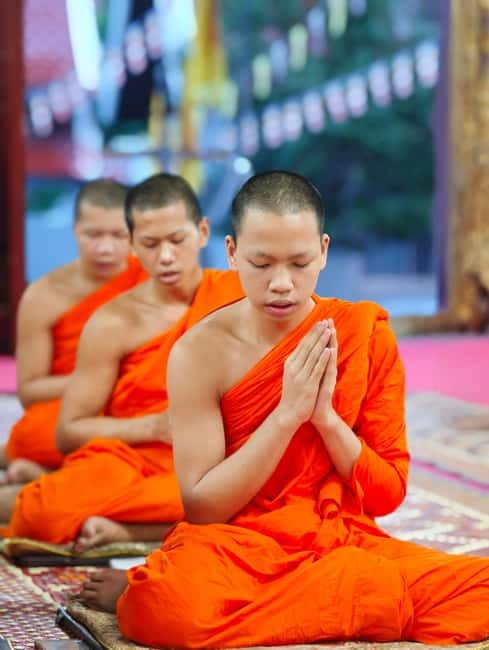
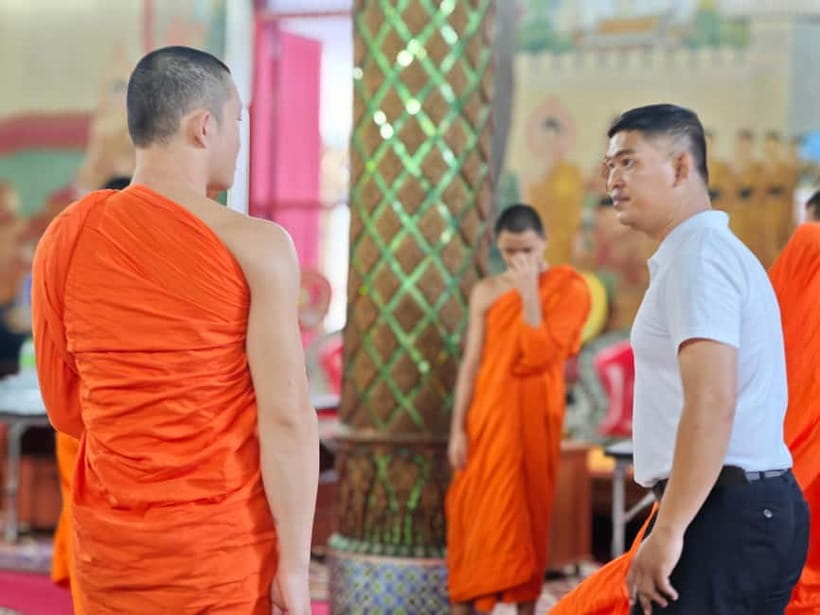
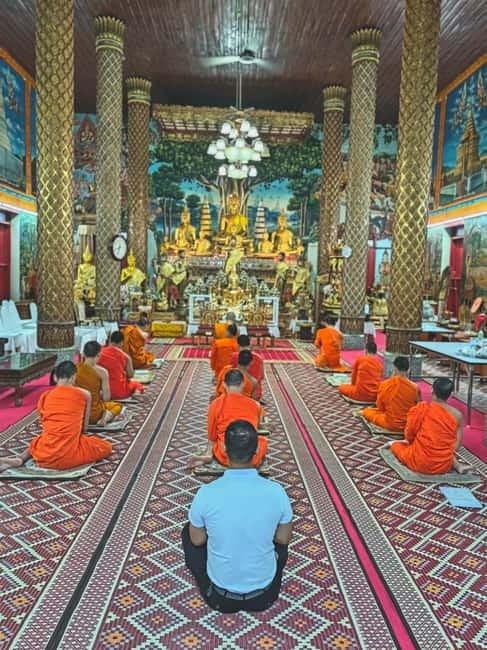
The most meaningful part of this Chiang Mai experience is that you do not simply watch a temple ritual from the sidelines. You sit with the monastic community, hear the steady cadence of evening chanting, and take part in a short meditation and Metta practice. I especially like the former monks who guide the evening, and the chance to ask questions after the formal session. The main consideration is that chanting is not translated as it happens, so you need to be comfortable listening first and asking questions afterward.
I also like the quiet pace. The 40 to 50 minutes of chanting gives you time to settle into the sound, while the 15-minute meditation keeps the experience accessible to beginners. The setting and ritual call for respectful behavior, modest clothing, and patience. This is not a sightseeing stop to rush through, and people with back problems may find the temple seating difficult.
Key points at a glance
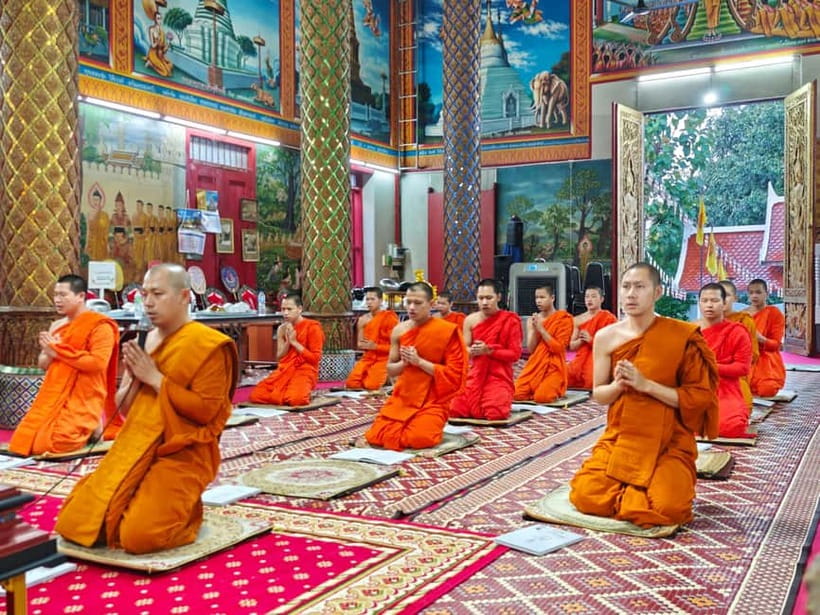
- Chant with resident monks: Join an evening ritual lasting about 40 to 50 minutes, rather than only observing from outside.
- Learn from former monks: Guides such as Son, Big, Earth, and Paponsonkl bring personal experience of monastic life to the conversation.
- Practice Metta: Extend wishes of well-being to loved ones, people who have died, and all living beings.
- Meditate inside the temple: A guided 15-minute session offers a simple introduction to Buddhist meditation.
- Ask direct questions: Time with monks and lay practitioners can continue after the formal program.
- Plan for temple etiquette: Arrive 15 minutes early, dress modestly, silence your phone, and avoid smoking and flash photography.
What this Chiang Mai evening is really about
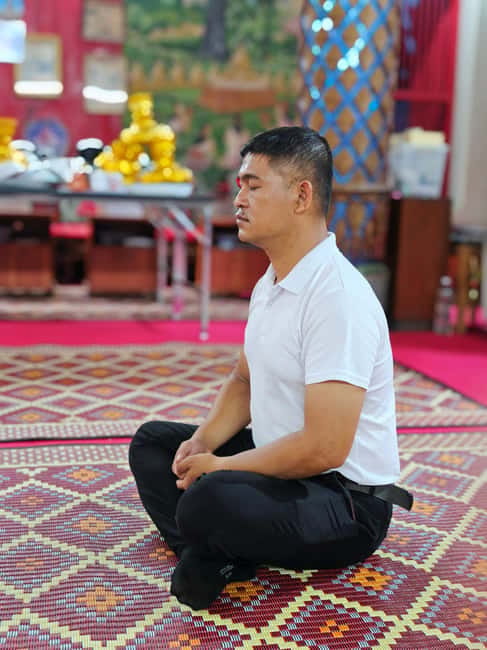
Many temple visits in Thailand are visual. You walk through the grounds, admire the architecture, take a few photographs, and move on. This experience asks you to do something different: sit still and listen.
The focus is the evening practice at Wat Chai Sri Phoom, a temple setting in Chiang Mai Province. The supplied meeting information also names Wat Lok Moli, with a guide waiting in front of the temple, while the itinerary refers to A Chef’s Tour Chiang Mai Food Tours. Since the meeting point may change, confirm the exact location before setting out. That small bit of planning matters more here than on a standard city walk, since arriving late would interrupt a quiet religious service.
Once you arrive, you have time to settle your mind before the chanting begins. The evening breeze, subdued temple setting, and slow start help mark a clear break from the noise of the day. You are not expected to arrive with a background in Buddhism. The guide explains enough to make the ritual easier to follow, then lets the practice speak for itself.
More Temple Tours around Thailand:
- From Bangkok: Ayutthaya Temples Guided Tour with Lunch
★ 4.7 · 10,535 reviews - Chiang Mai: Chiang Rai Temples, Karen Tribe and Hot Springs
★ 4.7 · 5,401 reviews - Bangkok: City Highlights Temple and Market Walking Tour
★ 4.5 · 3,990 reviews
The chanting: 40 to 50 minutes of sound and stillness
The central part of the evening is the chanting with the monks. The voices follow a measured rhythm, and the repeated sound can feel quite different from a lecture or a museum visit. You may close your eyes, listen to the rise and fall of the group, or quietly follow along as best you can.
The chants are not presented as an English singalong. One participant specifically wished for an English version, so you should expect to hear sacred texts in their original form rather than understand every word. That is not a flaw, but it changes the purpose of the activity. You are there to experience the cadence and ritual, then rely on the guide for meaning and context.
The guide may explain what the monks are doing and how chanting fits into daily Buddhist practice. This is especially useful if you have never attended a Thai temple service. It also helps you avoid treating the ritual as a performance. Keep your phone silent, avoid flash photography, and follow the guide’s instructions about where to sit and how to behave.
I find the length about right. Ten minutes of chanting might feel like a novelty, while 40 to 50 minutes gives you a chance to stop monitoring the clock. Still, people who dislike sitting quietly or listening to material they cannot understand may find this the least accessible part of the evening.
A 15-minute meditation for beginners
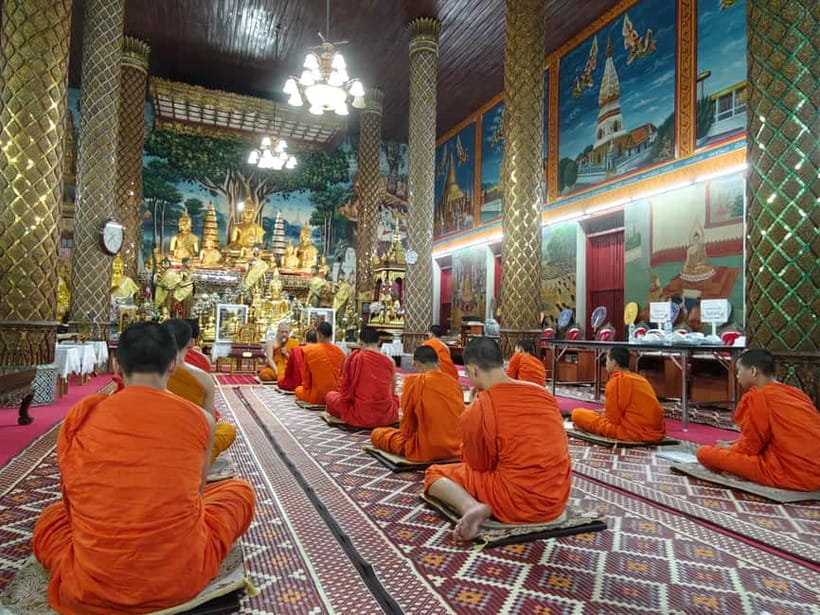
After the chanting, the group moves into a short guided meditation. At 15 minutes, this is a gentle introduction rather than an intensive retreat session. The guide helps you settle your attention and quiet some of the mental noise that follows a day of sightseeing.
You do not need to know a special technique in advance. The practical value is that the meditation comes after the chanting, when the room and your mind are already quieter. The two parts support each other: first you listen to a shared ritual, then you turn your attention inward.
The experience is not suitable for people with back problems, according to the activity information. Temple sitting can be demanding, and no special wheelchair suitability is provided. If you have physical concerns, ask the provider in advance about the seating arrangement. Bring water and wear comfortable clothes, but keep your clothing modest enough for a religious setting.
Do not expect a long retreat-style meditation. The session is brief and guided, which makes it a sensible choice for a first introduction. If you already practice regularly, you may find the 15 minutes too short, but the surrounding chanting and discussion add depth.
Metta practice and a broader idea of kindness
The Metta portion gives the evening a clear emotional focus. You are guided to extend heartfelt wishes of well-being to people close to you, those who have died, and all beings. The practice moves outward in stages, connecting personal affection with a wider sense of goodwill.
You do not have to treat this as a religious commitment. You can approach it as a structured exercise in compassion and attention. That makes it useful for someone curious about Buddhist practice but unsure about formal beliefs.
This is also one of the most personal parts of the session. Thinking of loved ones and people who have passed away can make the practice feel intimate, while the final wishes toward all beings place those feelings in a wider frame. The guide’s explanations help show how Buddhist ideas can relate to ordinary life, rather than leaving them as abstract temple language.
Same sacred ground, another way to see it:
- Bangkok by Night: Temples, Markets and Food Tuk-Tuk Tour
★ 5.0 · 3,752 reviews - Bangkok: Grand Palace, Wat Pho, and Wat Arun Guided Tour
★ 4.8 · 3,632 reviews - Krabi: Tiger Cave Temple, Emerald Pool and Hot Springs Tour
★ 4.8 · 3,616 reviews - Bangkok: Temples, Canals & Local Life Bike Tour
★ 4.9 · 3,511 reviews
Conversations with monks and former monks
The discussion is a major reason to choose this activity instead of attending a temple service alone. Guides have included Son, Big, Earth, and Paponsonkl. Son is described as a former monk of 13 years, and several guides draw on their own time in monastic life when explaining Buddhist practice and Thai culture.
That personal background changes the tone of the evening. You can ask what monastic life is like, how monks approach meditation, and how Buddhist ideas apply outside the temple. The guides are not simply reciting prepared facts. They explain philosophy through everyday examples and make space for questions.
The names matter because guide assignments can vary. Son receives especially strong praise for his English, patience, and ability to explain both philosophy and practice in clear terms. Earth has also been noted for giving careful explanations, while Big is described as patient and generous with his time. Paponsonkl has led long conversations about Buddhism and the life of the Buddha.
You may also hear from senior monks, younger monks, or lay practitioners. The precise format can vary, but the important point is that the conversation is direct. It is not just a talk delivered to a silent group. Several people have stayed well beyond the formal meditation to continue asking questions, so allow some flexibility if you are interested in the discussion.
Why the guides make such a difference
A temple ritual can be hard to interpret without context. You may hear familiar words such as meditation, compassion, or mindfulness, but still wonder how they fit into daily monastic life. A former monk can explain those ideas from personal experience.
Son’s 13 years as a monk are particularly useful for first-time visitors. He can discuss the practical side of temple life as well as Buddhist philosophy, and his strong English makes complicated ideas easier to follow. Other guides may lead the activity, so do not book solely on the assumption that one particular person will be present. Still, the provider has several guides with experience in Buddhist practice.
I like that the guide does not need to fill every quiet moment with talk. The best rhythm is explanation before the ritual, silence during chanting and meditation, and conversation afterward. That balance protects the religious character of the evening.
Price, timing, and what you get for $20
At $20 per person, this is good value if you want access to a real temple practice plus personal instruction. You receive a guided meditation, the chanting experience, and explanations of Buddhist philosophy and practice. You are paying less for sightseeing than for time, setting, and conversation.
The stated duration is three hours, while the itinerary describes a two-hour guided tour. Plan around the full three hours. In practice, conversations with the monks may continue after the formal portion, and some people have spent much longer talking once the meditation ended. If you have a dinner reservation or evening train, leave a generous buffer.
Transportation to and from the temple is not included. Meals and drinks are also not included, so eat beforehand or plan food separately. The activity returns to the stated starting point, but the meeting instructions identify a temple location and warn that it can change. Check the final confirmation carefully.
The booking terms are useful for a flexible Chiang Mai schedule. You can reserve and pay later, and cancellation is free up to 24 hours before the activity for a full refund. Starting times vary, so check availability for your chosen date.
Temple etiquette and practical preparation
Dress modestly, with clothing that covers shoulders and knees as appropriate for a temple visit. Comfortable clothes are helpful for sitting, but comfort does not mean beachwear. Bring water, arrive at least 15 minutes early, and silence your mobile phone before the session begins.
Smoking and flash photography are not allowed. Even if photography is permitted in some parts of the temple, treat the chanting room and the monks as places for attention rather than snapshots.
The activity is not suitable for children under 10. It is also not suitable for wheelchair users according to the supplied information, and people with back problems should think carefully about the sitting requirements. English and Thai are available, but the quality of your experience will depend on which guide leads your session and how much discussion takes place.
Who will enjoy this evening most
I would recommend this to you if you want more than temple architecture. It suits people who are curious about Buddhism, meditation, Thai culture, or the daily life of monks. It is also a good fit if you value direct conversation and do not mind a slow evening.
First-time meditators should find the 15-minute session manageable. The guide supplies structure, and you are not expected to arrive with experience. The chanting may be unfamiliar, but the explanation and quiet setting make it easier to appreciate.
This is less suitable if you want constant movement, lots of photographs, or a tightly timed sightseeing program. It also may not fit you if sitting on temple floors or low seating is painful. Children under 10 cannot join, and the activity does not offer meals or transport.
Is Chiang Mai Evening Chanting and Meditation worth booking?
Yes, if you are willing to slow down and treat the temple as a living place of practice rather than another stop for photographs. The combination of chanting, meditation, Metta, and conversation offers more substance than a quick visit.
I would book it for the personal access to former monks such as Son and the chance to ask questions after the formal ritual. I would skip it if you need guaranteed translation of every chant, comfortable accessible seating, or a short two-hour appointment with no chance of running late.
For $20, this is one of Chiang Mai’s stronger choices for thoughtful cultural learning. Confirm the meeting point, dress respectfully, arrive early, and leave room in your evening. The reward is not a checklist of sights, but a calm introduction to Buddhist practice that can stay with you after you leave the temple.
FAQ
Where does the experience take place?
The activity centers on Wat Chai Sri Phoom in Chiang Mai Province. The meeting instructions name Wat Lok Moli, where the guide waits in front of the temple, while other itinerary details refer to A Chef’s Tour Chiang Mai Food Tours. The location may change, so confirm the final meeting point before arrival.
How long does the activity last?
The advertised duration is three hours. The itinerary also describes a two-hour guided tour, so you should plan for the full three hours, especially if you want to stay for questions with the monks.
What happens during the evening?
You join evening chanting with monks for about 40 to 50 minutes, take part in a 15-minute guided meditation, practice Metta, and listen to explanations about Buddhist philosophy and monastic life. Time may also be available for questions and conversation.
Is meditation experience required?
No. The meditation is guided and lasts 15 minutes, making it suitable for people who are new to the practice.
What languages are available?
The live tour guide is available in English and Thai.
What should I wear and bring?
Wear comfortable, modest clothing and bring water. Arrive at least 15 minutes early so you can settle in before the session begins.
Can I take photographs or smoke during the activity?
Smoking and flash photography are not allowed. You should also silence your mobile phone before the chanting and meditation begin.
Is the experience suitable for children or people with mobility concerns?
It is not suitable for children under 10 or wheelchair users. People with back problems should also avoid it, as the temple seating and meditation may be uncomfortable.
What is included in the $20 price?
The price includes the guided meditation, chanting with monks, and insights into Buddhist philosophy and practice. Transportation, meals, beverages, and personal expenses are not included.
Temple visits we reviewed lately in Thailand
- Professional Thai Costume Photography at Wat Arun, Bangkok★ 5.0 · 18 reviews
- Red, Blue, White Temples & Hot Spring Trip from Chiang Mai★ 4.4 · 143 reviews
- Private trip Chiang Rai Day trip, White Temple, Blue temple★ 4.8 · 13 reviews
- Private Floating & Train Market + DRAGON Temple + Thai Cafe★ 4.9 · 13 reviews
- Phuket: PromthepCape,Swim Ya-Nui Beach,Buddha,Chalong Temple★ 4.1 · 4 reviews
- Phuket:City Tour,Big Buddha, Forest Safari Tiger Park Canopy★ 3.6 · 15 reviews
- Phuket: Phuket Elephant Sanctuary, Wat Chalong & more★ 4.0 · 6 reviews
- Phuket: Big Buddha View Wat Chalong, Old Town Guided Tour★ 3.6 · 38 reviews
Thailand Temple Tours, compared.
From Bangkok: Ayutthaya Temples Guided Tour with Lunch
Read our review →
Chiang Mai: Chiang Rai Temples, Karen Tribe and Hot Springs
Read our review →
Bangkok: City Highlights Temple and Market Walking Tour
Read our review →
Bangkok by Night: Temples, Markets and Food Tuk-Tuk Tour
Read our review →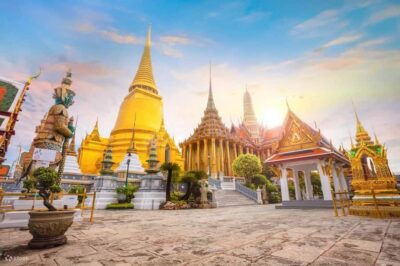
Bangkok: Grand Palace, Wat Pho, and Wat Arun Guided Tour
Read our review →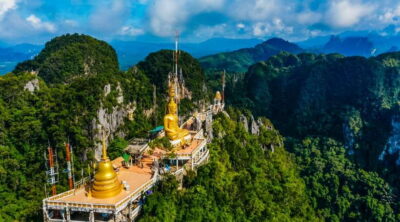
Krabi: Tiger Cave Temple, Emerald Pool and Hot Springs Tour
Read our review →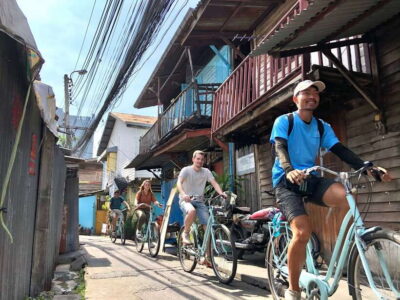
Bangkok: Temples, Canals & Local Life Bike Tour
Read our review →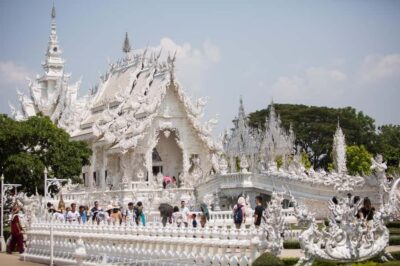
Chiang Rai White Temple and Blue Temple Day Tour
Read our review →This tour also ranks in