
Review · THAILAND
Chiang Mai: Wat Umong & Doi Suthep Half Day Tour
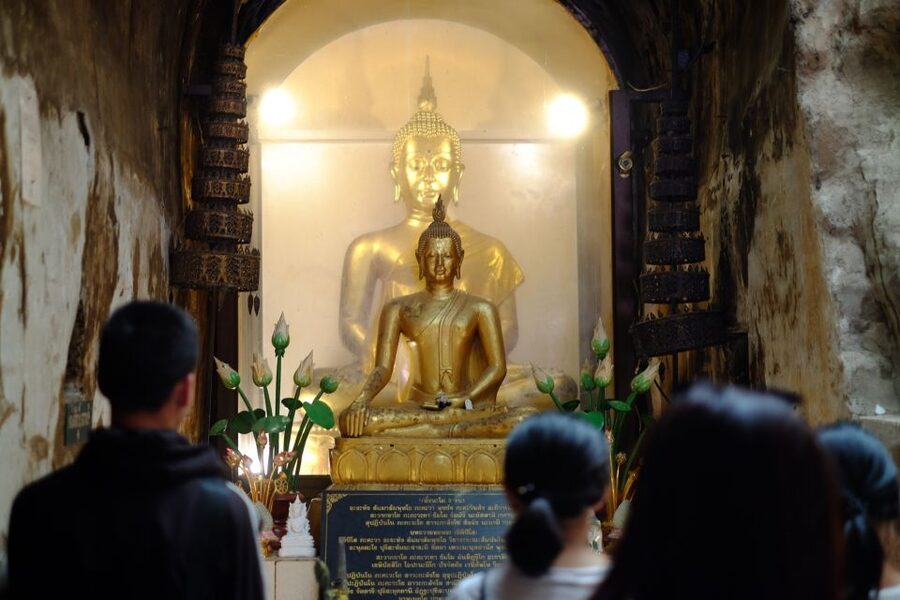
Wat Umong is the most interesting part of this outing: an old temple tucked into the forest, with brick tunnels built into the foot of Suthep mountain. The meditation setting feels quiet and unusual, especially beside the field of weathered Buddha figures. I also like the small-group format, capped at nine people, and the easy hotel pickup in an air-conditioned van. The drawback is time: four hours gives you a good taste, not a slow temple day.
I especially like the contrast between the two stops. Wat Umong is shaded, earthy, and contemplative, while Doi Suthep brings a grand golden stupa, a long naga stairway, and broad views over Chiang Mai. Guides such as Paul and Win have handled these visits in clear English, with useful explanations of Thai culture and religion. Bring covered knees and shoulders, and comfortable shoes for the temple walk and stairs.
Key points at a glance
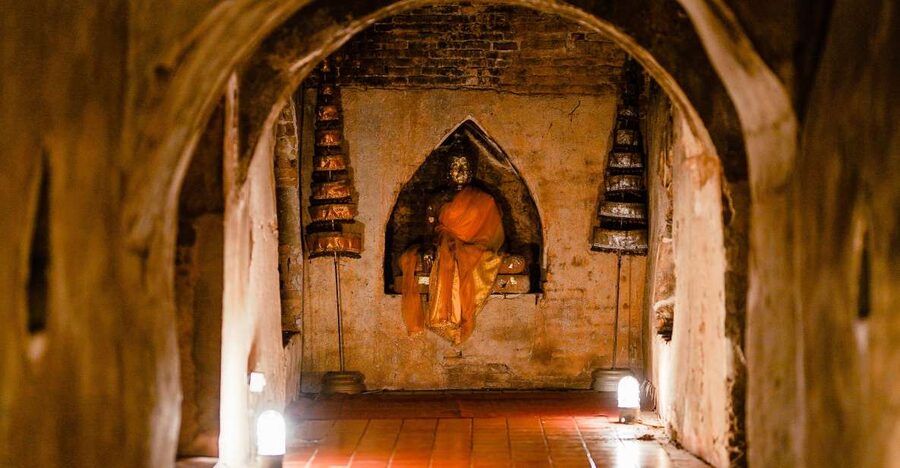
- Wat Umong’s tunnel temple: Walk through the old brick passage built to give monks a quiet place for meditation.
- The Buddha sculpture field: See broken and weathered religious figures in the temple grounds, an unusual sight in Chiang Mai.
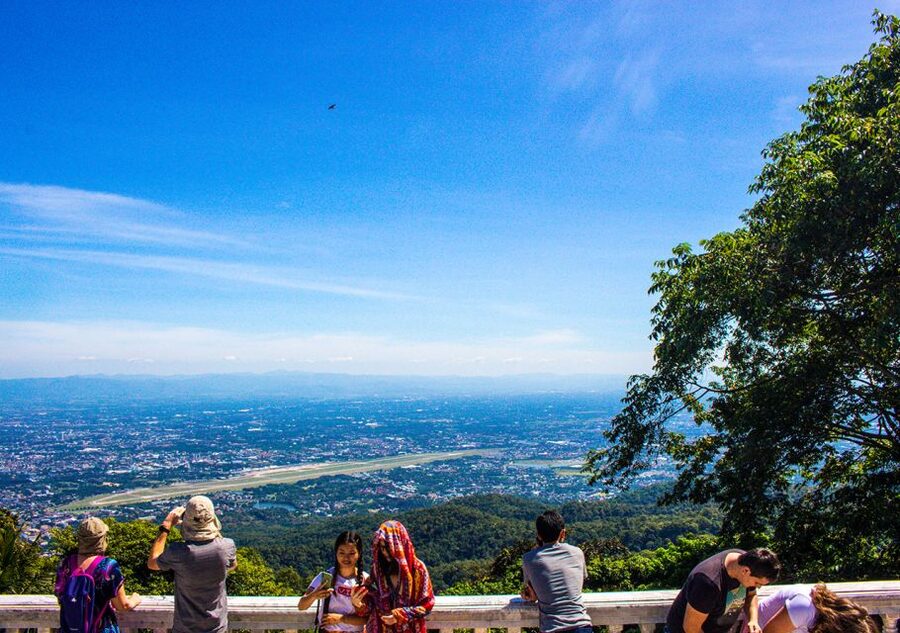
- Doi Suthep from the mountain: Visit the golden stupa that holds a relic of the Buddha and look over the city from the balcony.
- A compact half-day plan: Four hours covers the two major stops without taking up your whole day.
- Small-group transport: Ride in a VIP nine-seat air-conditioned van with hotel pickup, an English-speaking guide, water, and a refreshing towel.
- Temple clothing matters: Cover your shoulders and knees. Shorts and sleeveless shirts are not allowed.
Two Chiang Mai temples with very different moods
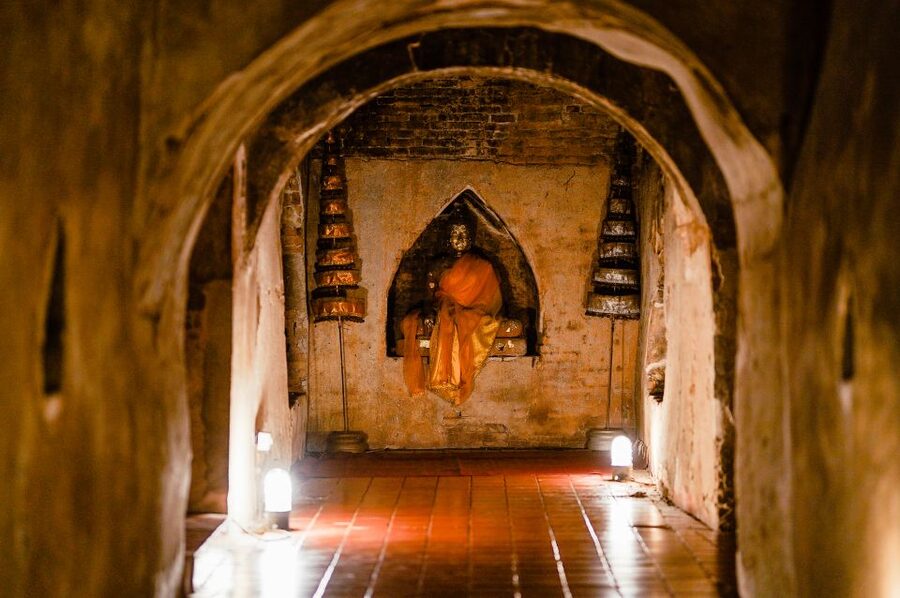
This tour works because it pairs two sites that feel nothing alike. Wat Umong sits in a green forest at the foothills of Suthep mountain. Doi Suthep sits high above Chiang Mai and is one of the city’s best-known religious landmarks.
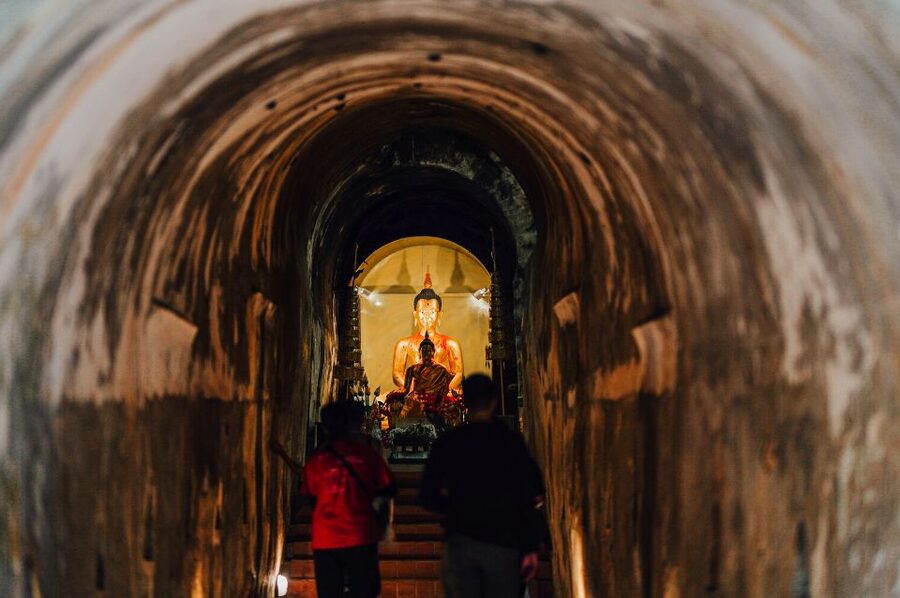
At Wat Umong, you walk through a low, old tunnel and explore a temple area used as a meditation center. The setting is shaded and calm. At Doi Suthep, you climb toward a golden stupa and look down across Chiang Mai from the temple balcony.
That contrast gives the half-day some shape. One stop is about stillness and unusual details. The other is about ceremony, height, and views.
The tour costs $54 per person. That is not the cheapest way to visit two temples, since you are paying for transport, a guide, entrance fees, and the convenience of hotel pickup. Still, the price is reasonable if you want a short, organized outing and do not want to arrange mountain transport yourself.
The small group is important. With no more than nine participants, you have a better chance of hearing the guide and asking questions than you would on a large coach tour. A 4.9 rating from 17 verified bookings also suggests a consistently strong experience, though a small sample is still a small sample.
More Doi Suthep Temple Tours in Thailand:
- Chiang Mai: Doi Suthep and Wat Umong Enchanting Evening Tour
★ 4.6 · 1,811 reviews - Chiang Mai: Doi Suthep, Wat Umong, and Pha Lat Sunrise Tour
★ 4.7 · 1,425 reviews - Chiang Mai: Wat Pha Lat & Wat Phra That Doi Suthep Tour
★ 4.8 · 1,207 reviews
Wat Umong and the meditation tunnels
Wat Umong is the more distinctive stop. Its name is often linked with the tunnels that run beneath the temple mound, and the site is set among trees rather than surrounded by Chiang Mai streets.
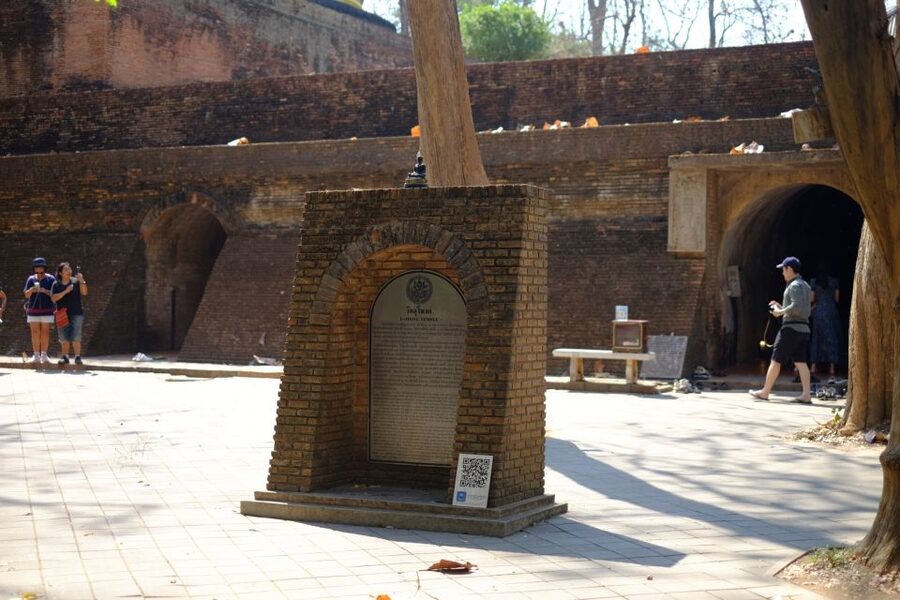
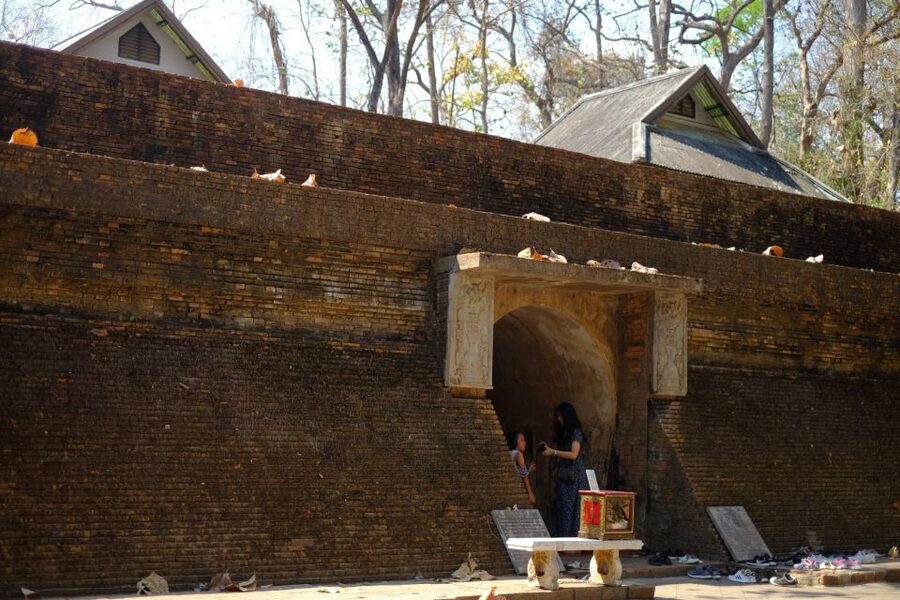
The tunnel was built by King Mengrai, the founder of Chiang Mai, as a place where monks could meditate in peace. The passage is not presented as a vast underground complex. It is a focused, walk-through feature that gives the visit its character.
You can walk inside and see a Buddha image in the tunnel. The space is likely to feel more intimate than the grand upper temple halls, so take your time and watch your footing. Comfortable shoes are sensible here, not just for the tunnel but for the rest of the temple grounds.
Your guide can help explain why the tunnel was made and how the temple functions as a meditation center today. This is where a good English-speaking guide adds real value. Paul and Win are among the guides associated with this experience, and both have been described as offering clear explanations of Thai history, religion, traditions, and culture.
The temple grounds include a field of broken Buddha sculptures. This is one of the stop’s best details because it does not look like a standard polished shrine display. The worn and damaged figures create a quieter, more reflective setting, though your guide’s explanation will help you understand what you are seeing.
There is also a library-museum in the temple area. The tour does not promise a long museum visit, so think of it as one part of a broader stop rather than a full museum program. In a one-hour visit, you will need to balance the tunnels, sculpture field, library-museum, and temple grounds.
The supplied schedule allows about an hour at Wat Umong. That is enough for the main features, but not enough for an unhurried meditation retreat or a detailed study of every object. If you like to photograph small details or read every display, you may feel the clock moving.
Climbing to Wat Phra That Doi Suthep
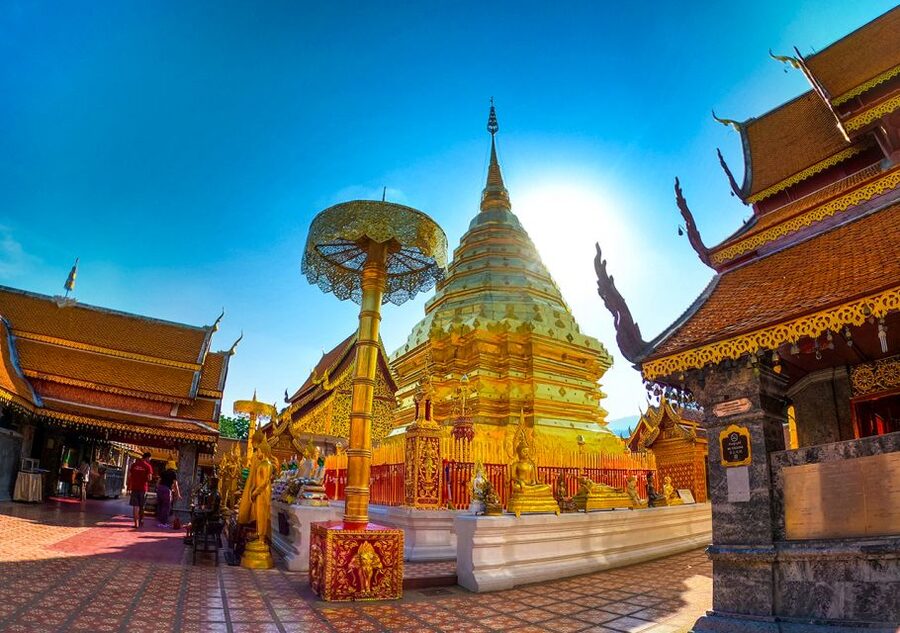
Doi Suthep changes the pace. The temple is located at the top of Suthep mountain, and the approach includes a naga stairway leading up to the main temple area.
Nagas are serpent figures common in Thai religious art, and the stairway makes the arrival feel ceremonial rather than ordinary. You should expect a climb, so shoes with a secure sole are a good idea. The activity information specifically asks you to bring comfortable shoes.
At the top, the focus is Wat Phra That Doi Suthep and its golden stupa. A relic of the Buddha is kept inside the stupa, making this more than a scenic overlook. It remains an active religious place, so respectful clothing and behavior matter.
The balcony gives you views over Chiang Mai. This is the tour’s big payoff for anyone who wants to understand the city’s position below the mountain. You can see the urban area from above, then connect that view with the forested setting you have just visited at Wat Umong.
The scheduled time at Doi Suthep is about one hour. That includes a guided visit, sightseeing, a photo stop, and time for the view. It is enough to see the central features, but you should not expect a long personal visit at every part of the temple.
One practical issue is the order. The experience description presents Wat Umong as the opening visit, while the stated route places Doi Suthep first and Wat Umong afterward. Since the total time and stops are the same, this does not change the main value of the tour, but you may want to confirm the day’s sequence when booking. Either order works: Doi Suthep gives you a grand opening, while Wat Umong offers a quieter finish, or the reverse.
What the four-hour schedule feels like
The total duration is four hours. The listed route includes about 45 minutes by van to the first temple, an hour at Doi Suthep, another 45-minute ride, an hour at Wat Umong, and a final 15 minutes back to Chiang Mai.
That means roughly half the experience involves driving between the city and the mountain temples. This is normal for a mountain outing, but it is worth understanding before you book. You are not signing up for four hours of walking and temple exploration.
The van is a VIP nine-seater with air conditioning. In Chiang Mai’s heat, that matters. The ride also gives you a chance to rest between visits instead of arranging separate transport or dealing with a sequence of local fares.
Hotel pickup is included. You are asked to wait in your hotel lobby 10 minutes before the scheduled pickup time. The exact starting time depends on availability, so check the departure options before paying.
The group limit of nine gives the trip a personal feel without making it a fully private tour. If you book a private version, time can be less rigid. One booking specifically used a private tour and had no time constraints, but the standard experience described here is a small-group outing, not a guaranteed private trip.
The guide is part of the value. An English-speaking guide can point out the difference between a meditation temple and a major pilgrimage site, explain the role of the Buddha relic, and provide context for the traditions you see. A driver who handles the mountain roads smoothly also makes the day easier, especially when the itinerary includes two separate van journeys.
Water and a refreshing towel are included. They are modest extras, but useful after walking in the heat or climbing the stairway. Admission fees and travel accident insurance are also included, so the $54 price covers the main required costs.
Meals and optional activities are not included. This is easy to manage because the tour lasts only half a day, but you should plan your own food around the departure and return time.
More Temple Tours around Thailand:
- From Bangkok: Ayutthaya Temples Guided Tour with Lunch
★ 4.7 · 10,535 reviews - Chiang Mai: Chiang Rai Temples, Karen Tribe and Hot Springs
★ 4.7 · 5,401 reviews - Bangkok: City Highlights Temple and Market Walking Tour
★ 4.5 · 3,990 reviews - Bangkok by Night: Temples, Markets and Food Tuk-Tuk Tour
★ 5.0 · 3,752 reviews
Temple etiquette and what to wear
The clothing rule is firm: your shoulders and knees must be covered when entering the temples. Shorts and sleeveless shirts are not allowed.
Wear light clothing that still meets the rule. Long trousers or a longer skirt and a shirt with sleeves are the safest choice. You do not want to spend part of the tour worrying about whether you can enter the main temple area.
Comfortable shoes matter for two reasons. Wat Umong involves walking through a tunnel and around temple grounds. Doi Suthep involves a naga stairway and additional walking around the temple. Flip-flops may be allowed, but they are not the most secure choice for this route.
Keep your behavior quiet and respectful inside religious spaces. The tour includes places used for worship and meditation, not only sightseeing stops. Your guide can help with local customs if you are unsure.
How the guides shape the visit
This tour is strongest when the guide turns the stops into a connected story. At Wat Umong, the useful questions are why the tunnels were built, how the temple became a meditation center, and what the broken Buddha figures represent. At Doi Suthep, the focus shifts to the sacred relic, the golden stupa, and the temple’s position above Chiang Mai.
Paul has led this experience with background on Thailand, its people, and its culture. Win has also guided the visit in strong English, explaining culture, history, traditions, and religion. Guide assignments can vary, so you should not book solely expecting one particular person, but these names give you a sense of the level of explanation available.
The guide does not replace your own time at the sites. You will still want a few quiet minutes to look around, take photographs, or enjoy the city view without listening to a running commentary. The one-hour stops require some discipline, so tell the guide if you need a moment to catch up or want clarification.
Who will get the most from this tour
I would choose this tour if you have limited time in Chiang Mai and want two important temples in one outing. It suits you particularly well if you prefer a guide to explain what you are seeing and want transport handled from your hotel.
It is also a good match if you like variety. Wat Umong offers tunnels, forest, meditation, and weathered sculptures. Doi Suthep offers the famous stairway, a golden stupa, and a city view. You get two distinct settings without committing an entire day.
The tour may be less suitable if you want to spend hours at one temple, sit quietly for a long period, or explore every display in the library-museum. The schedule is fixed around one-hour visits and transport time.
It may also not suit you if stairs are difficult. The information provided does not describe accessibility arrangements, but the naga stairway is part of the visit and comfortable shoes are recommended. Ask the provider about your specific needs before booking.
Families, first-time visitors, and people with a short Chiang Mai stay can all find value here, provided everyone can follow the clothing rules and manage the walking. The small group makes it easier to stay together than on a large bus, but it is still a shared tour with a set schedule.
Is the $54 price fair?
At $54 per person, you are paying for convenience as much as admission. The cost includes a nine-seat air-conditioned van, hotel pickup, an English-speaking guide, temple entrance fees, drinking water, a refreshing towel, and travel accident insurance.
If you already have private transport and are comfortable arranging the route yourself, a self-guided visit may cost less. The tradeoff is that you would need to organize the mountain trip, manage the timing, and supply your own interpretation of the tunnels, sculpture field, and relic stupa.
For a short stay, the tour earns its price by saving planning time. You can see both Wat Umong and Doi Suthep in four hours, then return to Chiang Mai with much of the day still available. That is useful if you are fitting the temples around markets, meals, or another activity.
The strongest value comes from the guide. If you only want photographs, transport may be enough. If you want to understand the religious and cultural setting, the guided format is the better choice.
Should you book the Wat Umong and Doi Suthep tour?
Book it if you want a compact, well-organized introduction to two very different Chiang Mai temples. You will get the unusual tunnel at Wat Umong, the broken Buddha sculpture field, the golden stupa at Doi Suthep, and a view across the city, all with transport and a guide included.
Skip it if you prefer a slow temple day or want to set your own pace at every stop. Also confirm the running order if seeing Wat Umong first matters to you, since the published descriptions give different sequences.
For most people with only a few days in Chiang Mai, I think the balance is good. Wear proper temple clothing, bring comfortable shoes, and expect a focused half-day rather than a relaxed full-day exploration.
FAQ
How long does the tour last?
The tour lasts four hours.
Where does the tour begin?
Pickup is provided in Chiang Mai, and you should wait in your hotel lobby 10 minutes before the scheduled pickup time.
Which temples does the tour visit?
It visits Wat Umong and Wat Phra That Doi Suthep.
Is transportation included?
Yes. Transportation is provided in a VIP nine-seater air-conditioned van.
Is an English-speaking guide included?
Yes. The tour includes a live English-speaking guide.
How large is the group?
The group is limited to nine participants.
Are temple admission fees included?
Yes. Admission fees are included in the tour price.
What should I wear?
Your shoulders and knees must be covered when entering the temples. Shorts and sleeveless shirts are not allowed.
Can I cancel the tour for a refund?
Yes. You can cancel up to 24 hours in advance for a full refund.
Temple visits we reviewed lately in Thailand
- Professional Thai Costume Photography at Wat Arun, Bangkok★ 5.0 · 18 reviews
- Red, Blue, White Temples & Hot Spring Trip from Chiang Mai★ 4.4 · 143 reviews
- Private trip Chiang Rai Day trip, White Temple, Blue temple★ 4.8 · 13 reviews
- Private Floating & Train Market + DRAGON Temple + Thai Cafe★ 4.9 · 13 reviews
- Phuket: PromthepCape,Swim Ya-Nui Beach,Buddha,Chalong Temple★ 4.1 · 4 reviews
- Phuket:City Tour,Big Buddha, Forest Safari Tiger Park Canopy★ 3.6 · 15 reviews
- Phuket: Phuket Elephant Sanctuary, Wat Chalong & more★ 4.0 · 6 reviews
- Phuket: Big Buddha View Wat Chalong, Old Town Guided Tour★ 3.6 · 38 reviews
Thailand Temple Tours, compared.
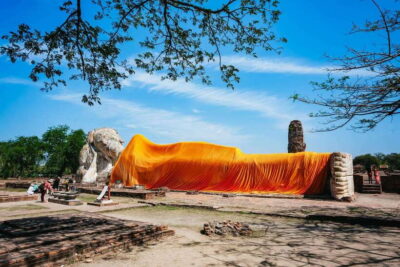
From Bangkok: Ayutthaya Temples Guided Tour with Lunch
Read our review →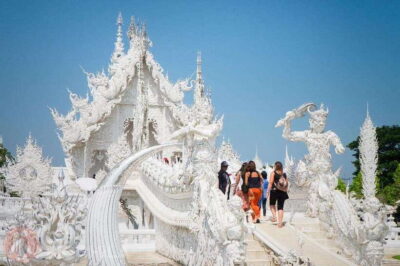
Chiang Mai: Chiang Rai Temples, Karen Tribe and Hot Springs
Read our review →
Bangkok: City Highlights Temple and Market Walking Tour
Read our review →
Bangkok by Night: Temples, Markets and Food Tuk-Tuk Tour
Read our review →
Bangkok: Grand Palace, Wat Pho, and Wat Arun Guided Tour
Read our review →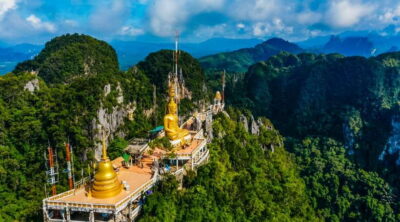
Krabi: Tiger Cave Temple, Emerald Pool and Hot Springs Tour
Read our review →
Bangkok: Temples, Canals & Local Life Bike Tour
Read our review →
Chiang Rai White Temple and Blue Temple Day Tour
Read our review →This tour also ranks in