
Review · BANGKOK
Bangkok: Grand Palace, Wat Pho, and Wat Arun Guided Tour
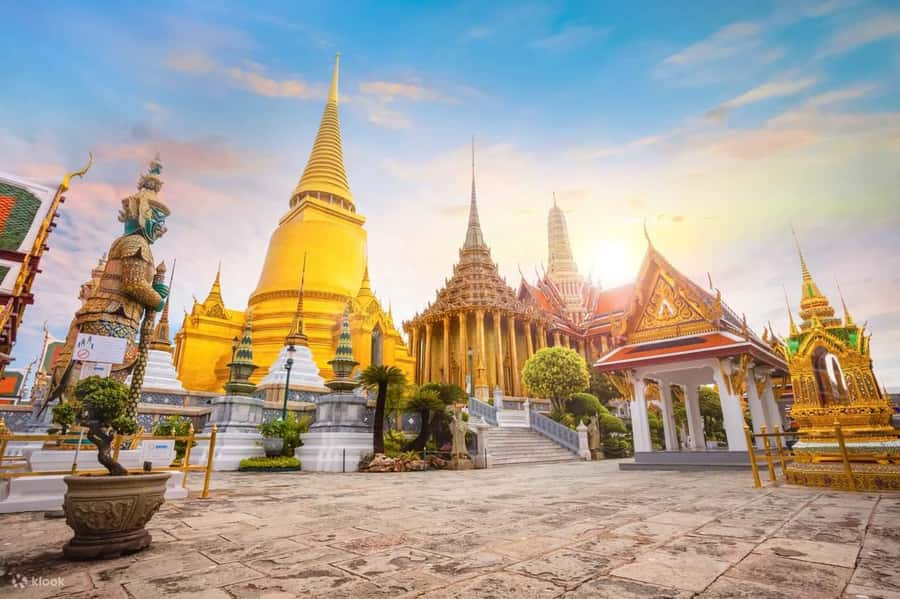
Bangkok’s grandest sights come together here: the Emerald Buddha, the royal palace, the Reclining Buddha, and Wat Arun’s tall riverside prang. You get a useful introduction to Thai royal and Buddhist traditions without having to plan several temple visits on your own. I especially like the walk through the amulet market and past Tha Thien Market, small touches that connect the monuments to everyday Bangkok.
I also like the professional guide, with guide Meng singled out for being helpful, and the simple $17 starting price. The main catch is that entrance fees add THB 1,000 per person for all three sites, so the real cost is much higher. You must also follow strict clothing rules, remove your shoes in temple buildings, and manage some walking in the heat.
Key points to know before booking
- The Emerald Buddha is the tour’s spiritual centerpiece: Wat Phra Kaew is regarded as Thailand’s most sacred Buddhist temple.
- The Grand Palace is still a working royal site: Royal ceremonies and state functions continue within its grounds.
- Wat Pho connects art, education, and massage: Its marble inscriptions helped make the temple an early center for public medical education.
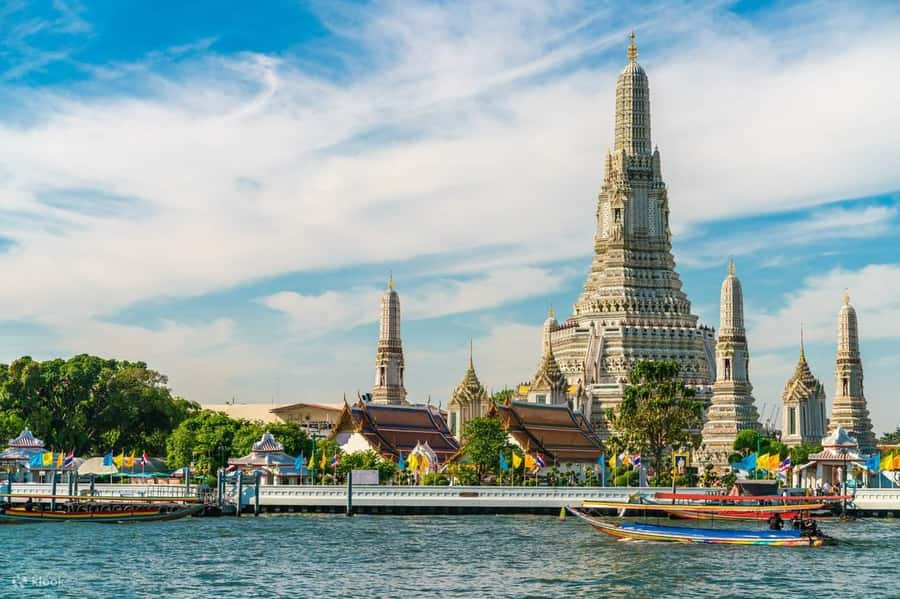
- Wat Arun supplies the postcard view: Its 70-meter tower is covered with colored glass and Chinese porcelain.
- The $17 price is only the tour cost: Entrance fees are separate and must be paid in Thai baht.
- Dress matters from the start: Bare shoulders, exposed knees, shorts, short skirts, and sleeveless shirts are not allowed.
Starting beside the Tha Chang ferry pier
The meeting point is in front of the Tha Chang ferry pier, next to the Grand Palace. This is a practical place to begin because you are already close to the main sights, though you should allow time to find the exact meeting spot in the busy riverside area.
The tour uses local transport to reach the Emerald Buddha Temple. Along the way, you pass the amulet market, one of the historic community markets of Rattanakosin Island. This short stretch is useful because it gives you a glimpse of Bangkok beyond its formal monuments. Amulets are part of everyday Buddhist culture in Thailand, and the market helps explain why religious objects are not simply souvenirs here.
You also pass Tha Thien Market later in the route. It is known for dried and salted seafood and wholesale goods. These market stops are brief, but they add some local texture to a tour that could otherwise feel like a series of grand gates and ceremonial courtyards.
There is no stated tour duration or group size, so you should not plan a tight connection afterward. The route includes several major sites, walking, local transport, and time for explanations. Give yourself spare time after the tour.
More Grand Palace and Wat Pho Tours in Bangkok:
- Bangkok: Grand Palace, Wat Pho, and Wat Arun Guided Tour
★ 4.8 · 3,632 reviews - Bangkok: Grand Palace and Wat Phra Kaew Guided Walking Tour
★ 4.4 · 2,417 reviews - Bangkok: Grand Palace, Wat Pho, Wat Arun Sacred & Local Tour
★ 4.3 · 2,256 reviews
Wat Phra Kaew and the Emerald Buddha
The first major stop is Wat Phra Kaew, officially Wat Phra Si Rattana Satsadaram and commonly called the Temple of the Emerald Buddha. It is regarded as the most sacred Buddhist temple in Thailand, so this is not just another pretty stop on a sightseeing list.
The chapel holds the Emerald Buddha, a highly important national religious image. Photography is permitted in the Royal Palace grounds and in the compounds of the Emerald Buddha Temple, but not inside the buildings. That rule matters. You will need to put your camera away at the key interior moments and pay attention to the setting rather than treating the chapel as a photo stop.
You must wear proper clothing here. Bare shoulders and knees are not allowed, and strapless-heel shoes are also prohibited. Shorts, short skirts, and sleeveless shirts are specifically listed as unsuitable. Wear light, modest clothing from the start rather than hoping to borrow or buy something at the gate.
Shoes must be removed before entering temple buildings. This is a matter of respect, not a minor local custom to ignore. Comfortable shoes are still important because most of the visit takes place on foot, but choose footwear you can remove and put back on without fuss.
A guide is particularly useful at Wat Phra Kaew because the complex can feel visually crowded. Gold decoration, painted details, guardian figures, and ceremonial buildings compete for your attention. An English-speaking guide can help separate the temple’s religious role from the palace buildings around it. Guide Meng is specifically noted for being helpful, which is encouraging if you want clear direction through a busy first stop.
Walking through the Grand Palace grounds
After Wat Phra Kaew, the route continues through the Grand Palace. The palace was the official residence of the Kings of Thailand and remains a setting for official events, royal ceremonies, and state functions.
The value of this stop is not only the architecture. The Grand Palace helps explain how Thailand’s monarchy and religion were presented together in the center of Bangkok. The adjacent temple and palace grounds make it easier to see how spiritual authority and royal ceremony were linked in the old capital.
Expect ornate buildings, formal courtyards, and strong visual detail. The guide’s historical explanation is important here because the palace can otherwise become a quick sequence of impressive facades. You will learn about the history of the palace and the Kings of Thailand rather than simply walking through and taking pictures.
Photography is allowed in the Royal Palace grounds, but not inside the buildings. Keep your phone and camera ready outside, then follow the restrictions when you enter interior spaces.
This is also the place where the tour’s clothing rules are most likely to affect your day. Do not rely on a loose interpretation of modest dress. Cover your shoulders and knees, avoid shorts and short skirts, and wear shoes that are easy to remove. A hat and sunscreen are sensible because you may spend time outdoors in strong sun.
Wat Pho, the Reclining Buddha, and the marble lessons
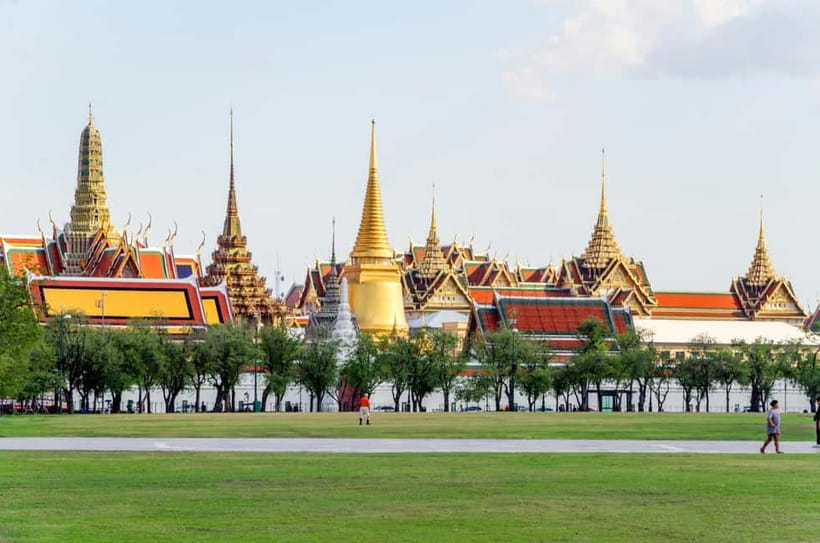
After the Grand Palace, the tour continues to Wat Pho if that option is selected. The experience description includes Wat Pho as one of the main stops, but the wording indicates that this portion can depend on the option you book. Check your selected version carefully before paying, especially if seeing Wat Pho is essential to you.
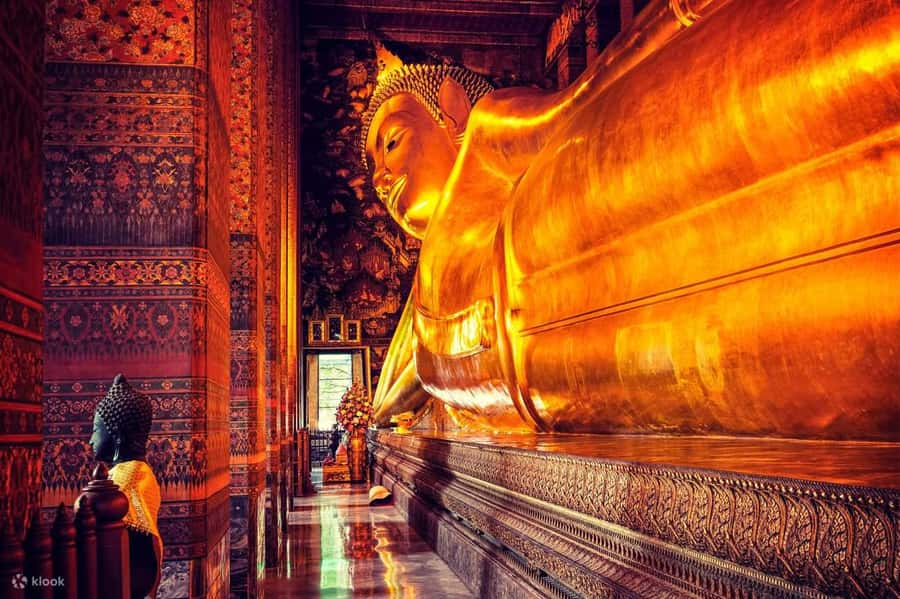
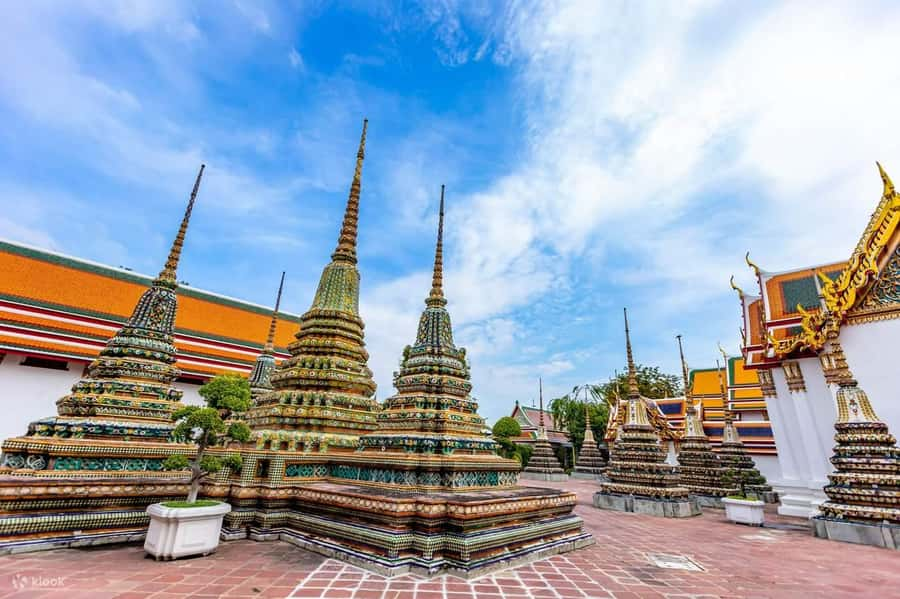
The temple is famous for its enormous Reclining Buddha, but there is more to the visit than one large statue. Wat Pho is classed among Thailand’s six highest-grade first-class royal temples. King Rama I rebuilt the complex on an earlier temple site, and it became his main temple. Some of his ashes are enshrined there.
Wat Pho is also important as an early center for public medical education. Marble illustrations and inscriptions were placed around the temple to provide public instruction. These works have been recognized by UNESCO through its Memory of the World Programme.
That detail changes the way I look at the site. Wat Pho is not only a royal temple or a place to see a famous statue. It also reflects an effort to preserve and share practical knowledge. Your guide can point out why the marble panels matter and how the temple’s educational role connects with Thai traditional medicine.
Wat Pho is widely known as the birthplace of traditional Thai massage, which is still taught and practiced at the temple. The tour information does not promise a massage session, so do not book this experience expecting treatment. The point is to understand the temple’s place in the development and teaching of Thai massage.
The entrance fee is THB 300 per person, separate from the $17 tour price. The site adds another stretch of walking, and the hot weather can make the route tiring. Bring water, use sunscreen, and wear practical shoes. Drinking water is included, but cash is still needed for entrance fees and personal expenses.
More Temple Tours around Bangkok:
- From Bangkok: Ayutthaya Temples Guided Tour with Lunch
★ 4.7 · 10,535 reviews - Bangkok: City Highlights Temple and Market Walking Tour
★ 4.5 · 3,990 reviews - Bangkok by Night: Temples, Markets and Food Tuk-Tuk Tour
★ 5.0 · 3,752 reviews - Bangkok: Temples, Canals & Local Life Bike Tour
★ 4.9 · 3,511 reviews
Crossing to Wat Arun, the Temple of Dawn
The final major sight is Wat Arun, commonly called the Temple of Dawn. It sits beside the Chao Phraya River and is one of Bangkok’s best-known landmarks.
The central tower rises about 70 meters and is decorated with tiny pieces of colored glass and Chinese porcelain. This gives Wat Arun a different look from the Grand Palace and Wat Pho. Instead of the palace’s formal royal setting or Wat Pho’s large reclining image, you get a tall riverside structure covered in detailed surface work.
The temple is a strong finish because it changes the scale of the tour. You have moved from intimate market streets and chapel interiors to a tower that dominates the riverfront. Take time to look closely at the decoration. The small pieces of glass and porcelain are easy to miss if you only pause for a quick photograph.
The entrance fee is THB 200 per person and is not included. As at the other temples, modest clothing and respectful behavior are required. Shoes must be removed before entering temple buildings, and photography restrictions apply inside buildings.
The tour ends back at the meeting point. That return is useful if you need to collect belongings or continue from a familiar location, but it also means you should not assume the final stop is your transport connection for the rest of the day.
What the price really includes
The advertised cost is $17 per person. That covers a professional licensed guide and drinking water, but not the three entrance fees. If you visit every listed site, add:
- Grand Palace and Wat Phra Kaew: THB 500
- Wat Pho: THB 300
- Wat Arun: THB 200
That brings the admission total to THB 1,000 per person, before personal expenses. The final cost therefore depends on exchange rates, but the entry fees are a major part of the budget.
I still see value in the tour for a first visit to Bangkok. The guide handles the route, explains the royal and religious sites, and helps you make sense of customs such as shoe removal and clothing rules. The market passages and local transport also make the outing feel less like a series of isolated ticket booths.
If you already know the temples well or prefer to move at your own pace, the additional guide cost may feel less useful. The tour does not include personal expenses, and the stated price does not cover admission. Bring cash so the low headline price does not catch you off guard.
Practical preparation for a hot temple day
Wear comfortable shoes, a hat, and sunscreen. The route includes outdoor areas and several large compounds, and the tropical heat can wear you down even when the walking itself is manageable.
Bring cash for all admission fees and anything personal you may wish to buy. Drinking water is supplied, but it is still sensible to carry what you need for the time between stops.
Dress modestly before you arrive. Bare shoulders and knees are not allowed, and shorts, short skirts, sleeveless shirts, and strapless-heel shoes are specifically excluded. Long, light clothing is the simplest solution.
Restrooms are available. Photography is permitted in the Royal Palace grounds and in the compounds of the Emerald Buddha Temple, but not inside the buildings. Follow the guide’s instructions and local rules rather than treating every interior as a photo opportunity.
The experience is not suitable for wheelchair users or people with mobility impairments. If walking, standing, local transport, and uneven temple areas are difficult for you, this is not the right format.
English is the stated tour language. Guide Meng is named in the available feedback as helpful, but guide assignments can vary, so you should not assume he will lead every departure.
Who should book this Bangkok temple tour?
I would choose this tour if you want the essential Bangkok temple circuit explained in one outing. It suits first-time visitors who want context for the Emerald Buddha, Grand Palace, Wat Pho, and Wat Arun rather than simply collecting photographs.
It also works well if you value a licensed guide and prefer not to sort out the route between major sights yourself. The market passages, royal history, Buddhist customs, and traditional medicine angle give the day more substance than a simple landmark transfer.
I would hesitate if you have limited mobility, dislike strict dress rules, or want a slow visit with long periods at each temple. I would also budget carefully. At $17, the tour looks inexpensive, but the extra THB 1,000 in entrance fees makes the full outing a more serious purchase.
For the right visitor, the combination is strong: Thailand’s most sacred temple, the former royal residence, Wat Pho’s Reclining Buddha and marble teachings, and Wat Arun’s decorated tower. Book it if you want a guided introduction and are ready for heat, walking, modest clothing, and separate admission costs.
FAQ
Where does the tour start?
It starts in front of the Tha Chang ferry pier, next to the Grand Palace.
Where does the tour end?
The activity ends back at the meeting point.
Which temples are included?
The route covers Wat Phra Kaew, the Grand Palace, Wat Pho, and Wat Arun. Wat Pho may depend on the option selected when booking.
Is the Emerald Buddha Temple included?
Wat Phra Kaew, also called the Temple of the Emerald Buddha, is included in the temple route. Its entrance fee is listed together with the Grand Palace fee at THB 500 per person.
How much are the entrance fees?
The Grand Palace and Wat Phra Kaew cost THB 500 per person, Wat Pho costs THB 300, and Wat Arun costs THB 200.
Is the guide licensed?
Yes. A professional licensed guide is included.
What language is the tour in?
The stated tour language is English.
Can I take photographs inside the temples?
Photography is permitted in the Royal Palace grounds and in the compounds of the Emerald Buddha Temple, but not inside the buildings.
What should I wear?
You should wear clothing that covers your shoulders and knees. Shorts, short skirts, sleeveless shirts, and strapless-heel shoes are not allowed.
Is the tour suitable for wheelchair users?
No. The activity is not suitable for wheelchair users or people with mobility impairments.
Temple visits we reviewed lately in Bangkok
- Professional Thai Costume Photography at Wat Arun, Bangkok★ 5.0 · 18 reviews
- Private Floating & Train Market + DRAGON Temple + Thai Cafe★ 4.9 · 13 reviews
- Grand Palace, Wat Pho, and Wat Arun: Guided Tour in Spanish★ 4.5 · 57 reviews
- From Bangkok: Don Wai Market, Wat Samphran & Lotus Café Tour★ 4.5 · 48 reviews
- From Bangkok: Ayutthaya Ancient City Temple Tour★ 4.9 · 52 reviews
- Damnoen Saduak, Reclining Buddha, and Wat Arun Private Tour★ 4.9 · 56 reviews
- Bangkok: Lord Ganesha Temple Tour★ 4.7 · 16 reviews
- BKK’s Ultimate Food & Canal Tour “Tuk-Tuk Temples & Tastes”★ 5.0 · 4 reviews
Bangkok Temple Tours, compared.
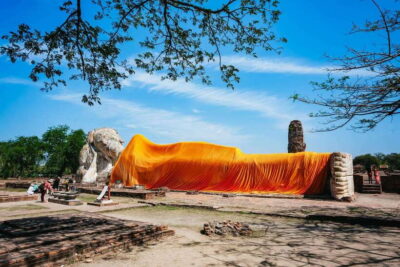
From Bangkok: Ayutthaya Temples Guided Tour with Lunch
Read our review →
Bangkok: City Highlights Temple and Market Walking Tour
Read our review →
Bangkok by Night: Temples, Markets and Food Tuk-Tuk Tour
Read our review →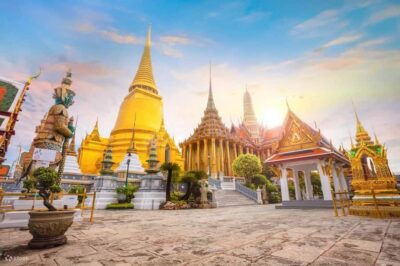
Bangkok: Grand Palace, Wat Pho, and Wat Arun Guided Tour
Read our review →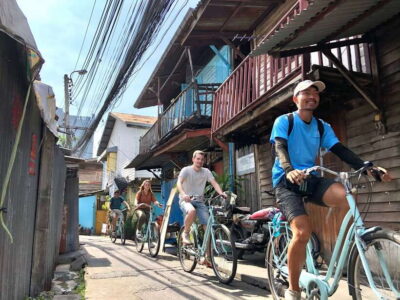
Bangkok: Temples, Canals & Local Life Bike Tour
Read our review →
Bangkok: Grand Palace and Wat Phra Kaew Guided Walking Tour
Read our review →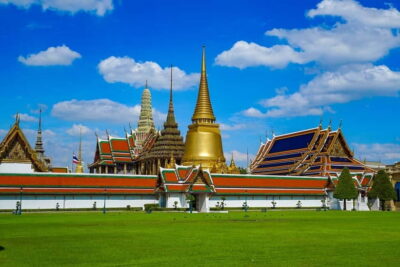
Bangkok: Grand Palace, Wat Pho, Wat Arun Sacred & Local Tour
Read our review →
Bangkok: Wat Pho and Wat Arun Guided Walking Tour
Read our review →This tour also ranks in