
Review · INDONESIA
Bali: Ubud Tour with Tirta Empul Temple and Rice Terrace
Kanto Lampo and Tibumana give this Ubud day out its splashy start, with time for photos and swimming before the cultural stops. I like the private car and guide, which let you set an easier pace, and I like the thoughtful touches, such as help with temple sarongs and photos. The main catch is that traffic and stop times can stretch the day beyond seven hours.
The strongest part is the mix: two waterfalls, a coffee tasting, Tirta Empul, and rice terraces in one outing. Guides including Madia, Pica, Kadek, Sandi, Yande, and Made Keliwon have been praised for safe driving, patience, flexible timing, and taking photos. Bring a change of clothes, flip-flops, and cash.
Key points to know before you book
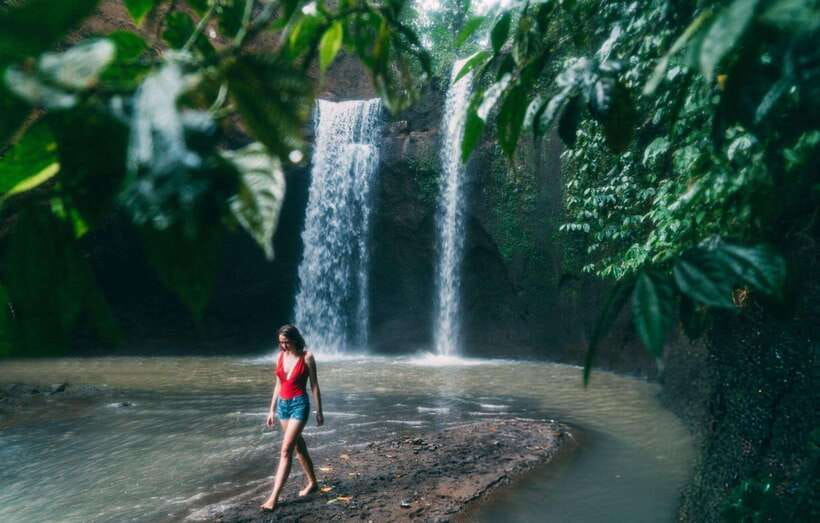
- Two waterfall stops: Kanto Lampo and Tibumana each allow about 90 minutes for walking, views, photos, and a possible swim.
- Tirta Empul is the cultural heart: You can see the holy spring pools and take part in a traditional cleansing ritual.
- The tour is private: You travel with your own guide and driver rather than a large group.
- The plantation adds a useful break: Taste local coffee, tea, tropical fruit, and other locally made drinks.
- Photography help is a real perk: Guides such as Madia and Sandi have helped visitors capture photos and videos throughout the day.
- The price is strong for the package: At $21 per person, the value is best when two or more people share the private car.
Why this Ubud tour works as a full-day introduction
This is a busy but well-rounded day in the Ubud area. You are not simply shuttled from one photo stop to another. The route brings together water, farming, Balinese Hindu practice, and a taste of local produce.
Your day begins with pickup from accommodation in Ubud, Gianyar, Denpasar City, or Badung Regency. The exact starting time depends on availability, so check it before booking. An English-speaking guide and driver handle the transport, and mineral water is included.
The private format matters in Bali. You can ask questions as you go, pause for photos, and adjust the rhythm more easily than you could with a fixed coach group. Guides have also helped with practical details such as carrying bags while you swim, opening car doors, assisting with stairs, and arranging temple sarongs.
The tour is listed at seven hours, though the scheduled sightseeing times total about six and a half hours before driving is added. That means the day may run longer, especially when traffic is slow or you choose to spend extra time at the waterfalls or temple. Keep your evening plans loose.
More Uluwatu and Tanah Lot Temple Tours in Indonesia:
- Bali: Besakih Temple & Lempuyang Temple Gates of Heaven Tour
★ 4.8 · 3,243 reviews - Bali: Kecak Fire Dance Show & Uluwatu Temple Entry Ticket
★ 4.2 · 3,023 reviews - Bali Sunset: Uluwatu Temple, Kecak Dance and Jimbaran Bay
★ 4.7 · 2,397 reviews
Kanto Lampo Waterfall: a photogenic first stop
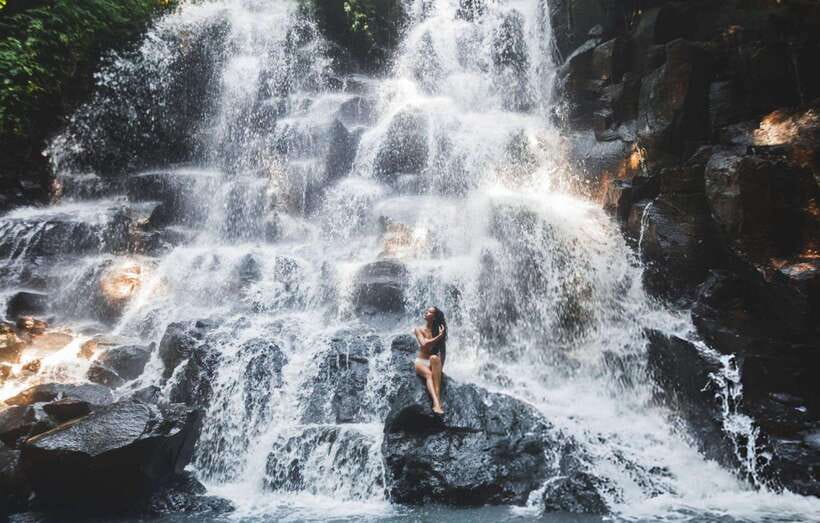
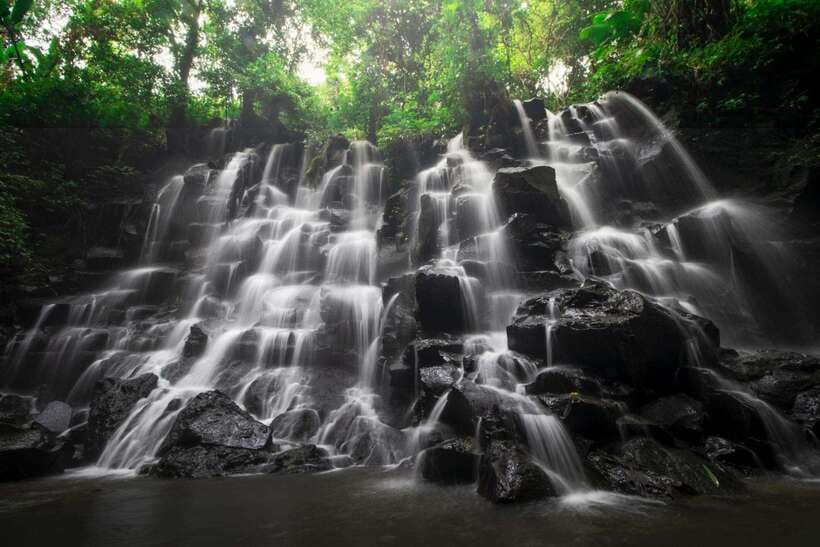
Kanto Lampo is the first major stop, with about 90 minutes for a guided visit, walking, sightseeing, and photos. Water spills over a series of dark rocks, creating a broad cascade rather than a single tall drop. The setting gives you plenty to look at, and the pool below may tempt you into the water.
I like starting here because it gets you into Bali’s outdoor scenery quickly. You can take photos, watch the water move over the rocks, and cool off before the rest of the day. Guides have been especially helpful with photos, a useful service when the rocks and water make phone handling awkward.
Bring a change of clothes even if swimming is only a possibility. Flip-flops are also listed as an item to bring, and they are more practical than wearing your best walking shoes near wet surfaces.
There is a trade-off. Waterfall visits involve walking, and the rocks can be wet. The supplied information does not give a detailed accessibility description, so anyone concerned about stairs or slippery ground should ask the operator before booking.
Tibumana Waterfall: quieter scenery and a possible swim
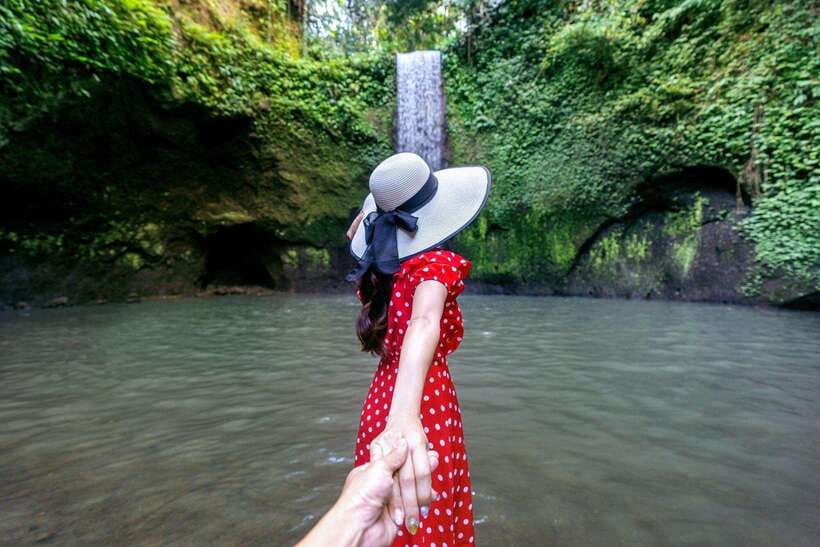
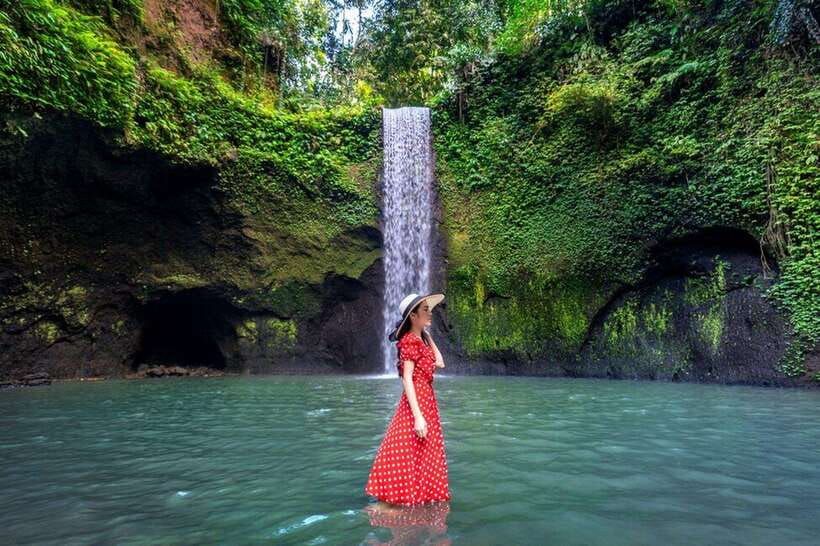
Tibumana follows Kanto Lampo, with another 90-minute stop. Here, the clear water and surrounding greenery create a calmer scene. You can take a guided walk, stop for scenic views along the way, and swim if conditions suit you.
The two waterfall stops are similar in broad purpose, but they do not feel redundant. Kanto Lampo is known for water spreading across rock shelves, while Tibumana offers a more open, peaceful setting. Having both in one day gives you a better sense of the area than a single quick waterfall visit.
Your guide can also make a difference here. Several guides have been praised for staying with visitors, helping with bags, taking photos, and keeping an eye on safety. That is particularly useful for solo visitors, couples, or anyone who wants to enjoy the water without worrying about where to leave belongings.
Do not count on a long swim. The schedule allows about 90 minutes, and that includes walking, changing, photos, and sightseeing. If you spend a lot of time in the water at the first stop, you may want to keep Tibumana focused on views and pictures.
The coffee plantation gives the day a lighter pause

After the waterfalls, you stop at a plantation for coffee and other local tastings. The experience covers regional plants and their traditional and modern uses, with tropical fruit and locally produced beverages available to try.
This stop is more than a caffeine break. It gives you a chance to sit down between walks and ask about the ingredients used in Bali. The tasting may include different coffees and teas, and the mix of flavors makes a useful introduction to local produce.
I like this pause because it breaks up the physical part of the day. After wet paths and waterfall pools, a tasting stop lets you reset before the temple visit. It is also one of the few parts of the day centered on food and drink, since meals are not included.
Keep your expectations measured. This is a plantation visit and tasting, not a full meal or a dedicated cooking class. If you need lunch, plan ahead and carry some spending money. Cash is specifically recommended, and it is useful for food, drinks, or other personal purchases.
More Rice Terrace and Temple Tours in Indonesia:
- Ubud: Monkey Forest, Jungle Swing, Rice Terrace, and Water Temple
★ 5.0 · 7,160 reviews - Ubud: Waterfalls, Water Temple & Rice Terraces Private Tour
★ 5.0 · 5,484 reviews - Full-Day Tour to Water Temples and UNESCO Rice Terraces in Bali
★ 5.0 · 2,539 reviews - Ubud: Monkey Forest, Water Temple, Rice Terrace, Waterfall
★ 5.0 · 538 reviews
Tirta Empul: the most meaningful stop
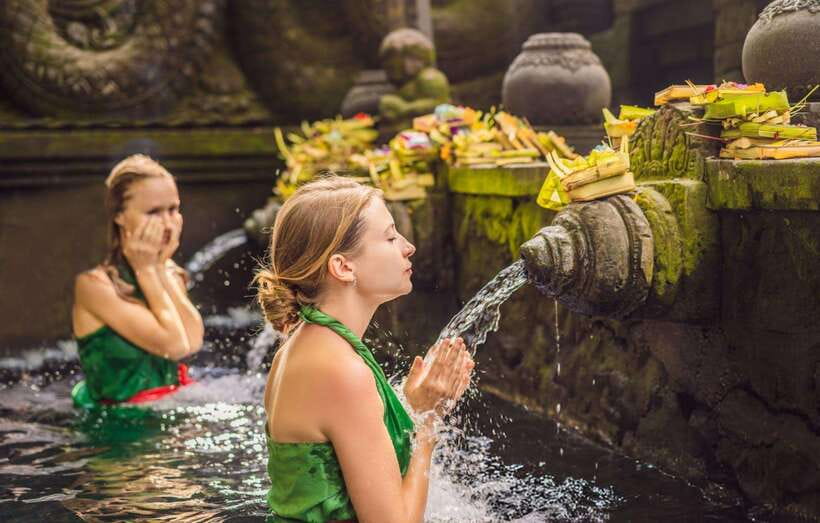
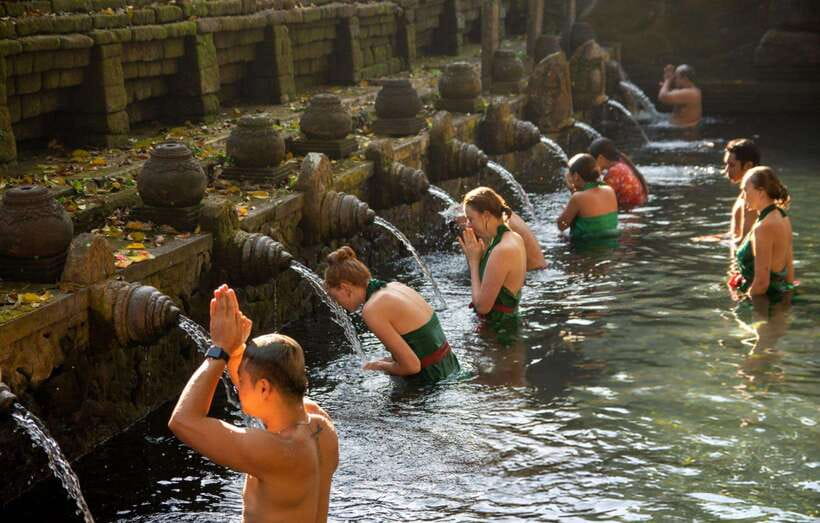
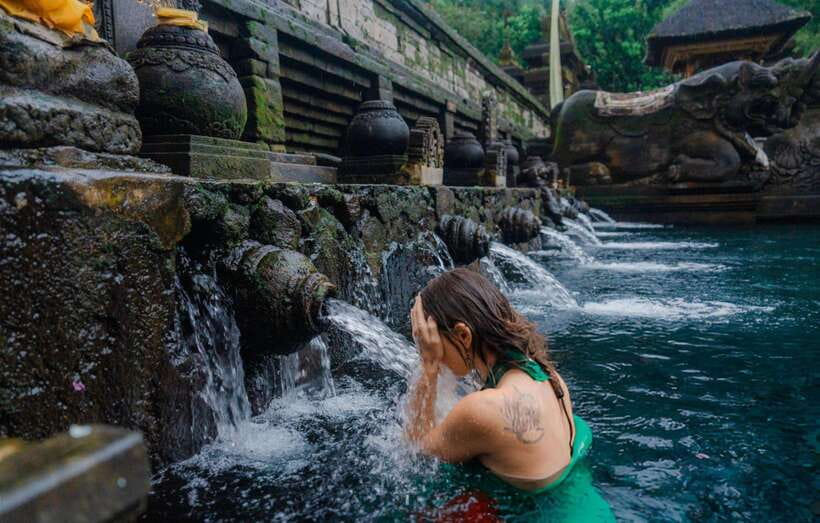
Tirta Empul, also called the Holy Spring Temple, is the cultural center of the tour. The temple dates to 962 A.D. and is dedicated to Vishnu, the Hindu god of water. Its pools are fed by natural springs believed to have cleansing and healing powers.
You have about two hours here, longer than at either waterfall. That extra time allows you to see the temple complex, learn about its religious role, take photos where appropriate, and consider the traditional cleansing ritual.
The ritual takes place in the holy water under a series of spring-fed spouts. If you choose to take part, you will need suitable clothing and a respectful attitude. A sarong is part of temple etiquette, and guides have helped visitors put theirs on and understand what to do.
This is where a private guide earns their keep. Guides such as Yande and Madia have helped explain the water ceremony and introduced the religious meaning behind the site. You can also ask questions without holding up a group.
A visit to Tirta Empul should not be treated as a quick photo opportunity. The pools are still used for religious practice, so follow your guide’s instructions and observe the setting respectfully. You may choose to watch rather than join the cleansing ritual, and the temple remains worthwhile either way.
The two-hour stop is generous, but the atmosphere can change with the number of people present. Starting early may help you enjoy a calmer visit, though the tour’s actual departure time depends on availability.
Tegallalang Rice Terrace: a scenic final stop
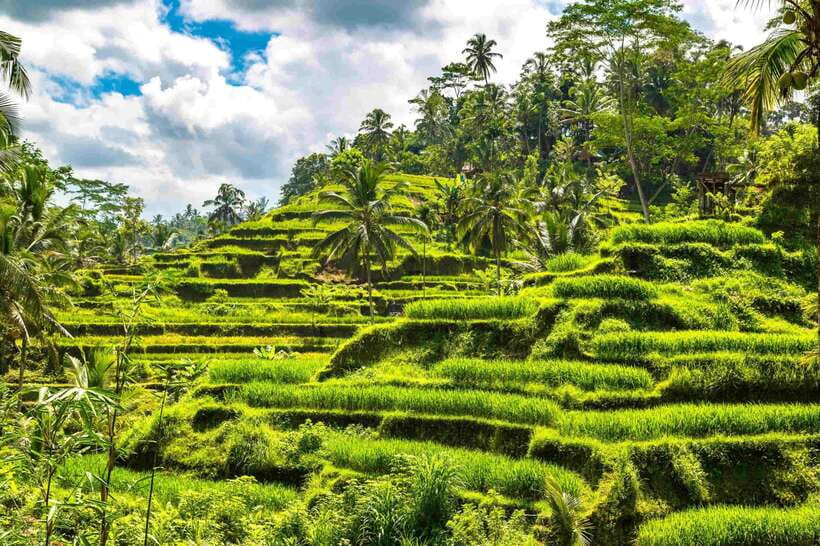
The final sightseeing stop is Tegallalang Rice Terrace, one of the most recognizable rural views near Ubud. The terraces step down the hillsides in layers, showing how farming shapes the surrounding countryside.
The supplied schedule allows about 90 minutes for photos, a guided visit, and views along the way. This is not a waterfall stop, despite the confusing description sometimes attached to it. It is the rice terrace portion of the tour, and the appeal is the pattern of cultivated slopes and open countryside.
I like ending here because the pace is gentler than at the waterfalls. You can look over the terraces, take pictures, and finish the sightseeing portion without another swim or ritual. Ask your guide where the best views are and how much walking is involved before setting off.
Again, conditions underfoot may vary. The tour information does not spell out the exact walking route or accessibility, so ask if you need a shorter path. Also remember that the rice terraces are working agricultural areas, not just a viewing platform.
The guides can shape the whole day
The operator is Bali Spirit Tour, and the guide is also your driver. That combination makes the quality of the person assigned to your car important.
Madia is praised for being friendly, adaptable, and attentive, with repeated mentions of photography, safe driving, and help during the water ceremony. Pica is described as a patient driver who explains each place and listens to requests. Kadek is noted for flexibility when the planned route changed slightly.
Sandi is praised for timing the waterfall visit to avoid crowds, answering questions, and taking photos. Yande has helped with stairs, sarongs, and site explanations, while Made Keliwon is described as conversational and eager to explain the places visited.
These names come from individual experiences, so you should not assume a particular guide is guaranteed. Still, the pattern is useful: the guide is not just behind the wheel. You can expect the best value from this tour if you want help with photos, temple customs, local explanations, and small practical matters.
Solo visitors may find the private setup reassuring. Couples and families also benefit from having the car to themselves. The trade-off is that the experience depends on the assigned guide, and there is no fixed group dynamic if you prefer meeting other people.
What the $21 price really covers
At $21 per person, the tour is priced aggressively for a private seven-hour outing. The package includes a private car, private guide and driver, mineral water, and entrance fees if you select the option that includes them.
The price becomes especially attractive for two or more people sharing the car. For a solo visitor, $21 is still low for a private vehicle and guide, but confirm exactly which entrance-fee option you are selecting before payment.
Meals are not included. That is the main cost to plan around, along with any personal purchases at the plantation or elsewhere. Bring cash, as requested, and do not treat the tasting stop as lunch.
You also get transport between four distinct kinds of places without arranging separate rides. That saves time and avoids the hassle of negotiating a driver for each stop. The value is strongest if you want variety in one day rather than a slow morning at a single site.
Practical packing advice for waterfalls and temple water
Pack light, but bring the items that make the day easier:
- A change of clothes for the waterfalls and the Tirta Empul ritual
- Flip-flops for wet areas
- Cash for meals and personal purchases
- A phone or camera, if you want to use the guide’s help with photos
- Comfortable clothing suitable for walking and temple etiquette
Mineral water is included, but you still need to plan for food. Since meals are not part of the package, ask your guide about the day’s meal timing and carry a snack if needed.
Wear something that can work with a sarong at Tirta Empul. Your guide can assist, but respectful clothing remains your responsibility.
Free cancellation is available up to 24 hours before the start time for a full refund. You can also reserve now and pay later, which is useful if your Bali schedule is still shifting.
Who should book this private Ubud day?
I would choose this tour if you want a broad taste of Ubud without arranging several separate trips. It suits first-time visitors, couples, solo visitors, and small private groups that want waterfalls and culture in the same day.
It is also a good fit if you value personal attention. The strongest guide experiences include safe driving, flexible timing, temple help, and photography. If you want someone to take photos while you swim or assist with a sarong, say so at the start.
I would look elsewhere if you dislike a packed schedule or want a long, quiet visit at one waterfall. The day includes four major sightseeing stops plus transport and a tasting, so it is active. Traffic may add time, and the tour does not include a meal.
Should you book it?
Book this Ubud tour if you want high variety at a low price, especially when sharing the private car. The waterfalls bring fun and scenery, Tirta Empul adds real cultural substance, the plantation provides a welcome pause, and Tegallalang finishes the day with classic Bali views.
Before booking, confirm the starting time, the entrance-fee option, and whether you have any mobility concerns at the waterfalls or terraces. If those details suit you, this is a practical way to cover several of Ubud’s major sights with a guide who can explain the places and help you manage the small details.
FAQ
How long does the Ubud tour last?
The stated duration is seven hours. Check availability for the specific starting times, and allow extra flexibility because driving and sightseeing can affect the finish time.
What places does the tour visit?
The route includes Kanto Lampo Waterfall, Tibumana Waterfall, a coffee plantation, Tirta Empul Temple, and Tegallalang Rice Terrace.
Is the tour private?
Yes. The activity uses a private group, private car, and private guide and driver.
Is swimming included at the waterfalls?
Swimming is possible at Kanto Lampo and Tibumana, but it is optional. Bring a change of clothes and flip-flops if you plan to enter the water.
Are meals included?
No. Meals are not included, so bring cash and plan for food separately.
What language does the guide speak?
The live tour guide speaks English.
Temple visits we reviewed lately in Indonesia
- SEMARANG SHORE TOURS: BOROBUDUR TEMPLE EXCURSIONS★ 5.0 · 3 reviews
- SEMARANG TOURS : GEDONGSONGO TEMPLE/TRAIN MUSEUM AMBARAWA★ 4.8 · 11 reviews
- Yogyakarta: Selogriyo Temple, Rice Terraces & Waterfall Tour★ 5.0 · 46 reviews
- Yogyakarta: Selogriyo Temple Tour & Java Rice Terrace Trek★ 5.0 · 175 reviews
- Selogriyo Temple Rice Terraces Private Tour with Local Lunch★ 5.0 · 4 reviews
- Ubud: Rice Terrace, Holy Water Temple & Waterfalls Trek Tour★ 4.9 · 115 reviews
- Private ubud tour Rice teracce, temple & Secret waterfall★ 3.7 · 3 reviews
- Prambanan Temple Afternoon Tour★ 4.9 · 48 reviews
Indonesia Temple Tours, compared.
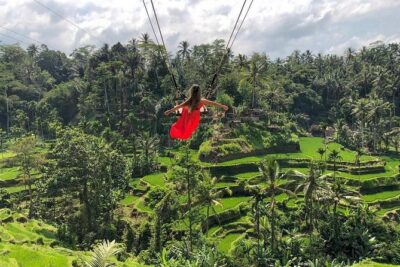
Ubud: Monkey Forest, Jungle Swing, Rice Terrace, and Water Temple
Read our review →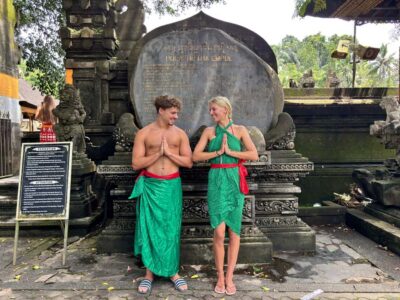
Ubud: Waterfalls, Water Temple & Rice Terraces Private Tour
Read our review →
Bali: Besakih Temple & Lempuyang Temple Gates of Heaven Tour
Read our review →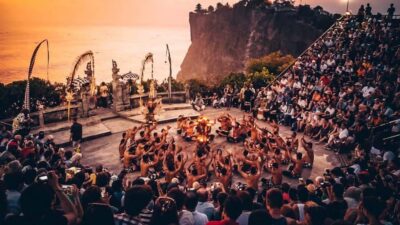
Bali: Kecak Fire Dance Show & Uluwatu Temple Entry Ticket
Read our review →
Full-Day Tour to Water Temples and UNESCO Rice Terraces in Bali
Read our review →
Bali Sunset: Uluwatu Temple, Kecak Dance and Jimbaran Bay
Read our review →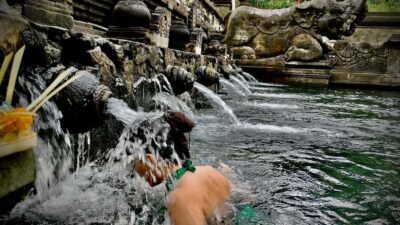
Tirta Empul: Temple Tour with Optional Spiritual Cleansing
Read our review →Private Uluwatu Temple and Kecak Fire Dance Evening Tour in Jimbaran Bay
Read our review →This tour also ranks in