
Review · INDONESIA
SEMARANG TOURS : GEDONGSONGO TEMPLE/TRAIN MUSEUM AMBARAWA
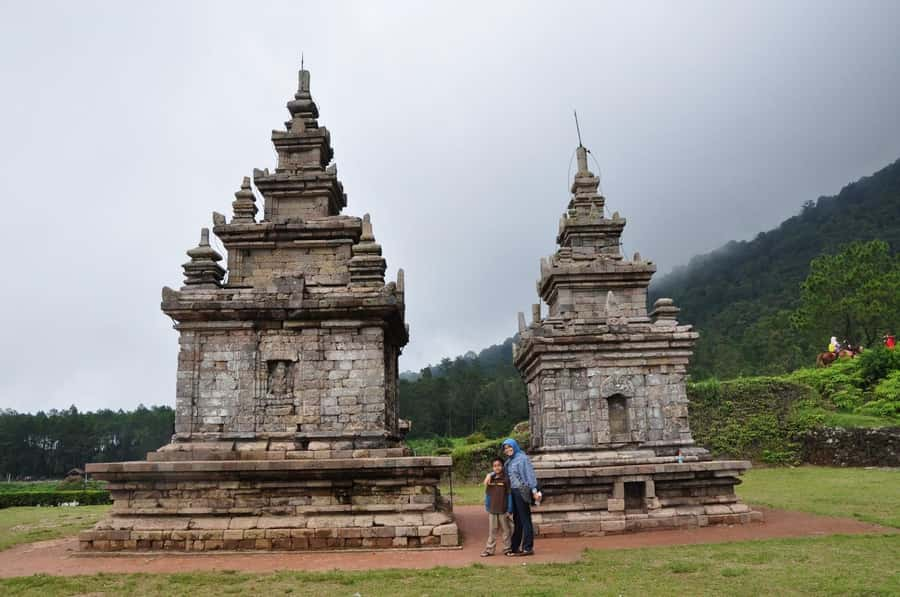
Gedong Songo is the star of this outing: a group of old Hindu temples scattered across the cool slopes near Mount Ungaran, with mountain air, farm views, and a good walk between the ruins. I like the mix of culture and countryside, and I like that a private car lets you set the pace with your driver.
The Ambarawa Railway Museum adds a very different stop, with preserved steam locomotives and the chance to see how rail travel developed in Indonesia. The main caution is the Banaran coffee visit. It can be a pleasant lunch and viewpoint, but an actual plantation tour may not be available, and extra charges have been reported on site.
Key points to know before you go
- Gedong Songo spreads across a mountain slope: You can walk between the temple groups or hire a horse at your own cost.
- The temples are a quiet alternative to Java’s major temple sites: They are smaller than Prambanan, but the setting is peaceful and scenic.
- Ambarawa preserves around 21 steam locomotives: A train ride may be available, but activity fees are not included.
- Banaran combines coffee country with a highland rest stop: Expect useful plantation context and views, but confirm what visit is operating that day.
- The $98 price covers up to four people: The private car, driver, and petrol are included, while tickets, tolls, parking, meals, and activities cost extra.
- The day suits active sightseers: Uneven walking and a moderate level of fitness are needed, and the tour is not suitable for wheelchair users.
Gedong Songo temples above Semarang
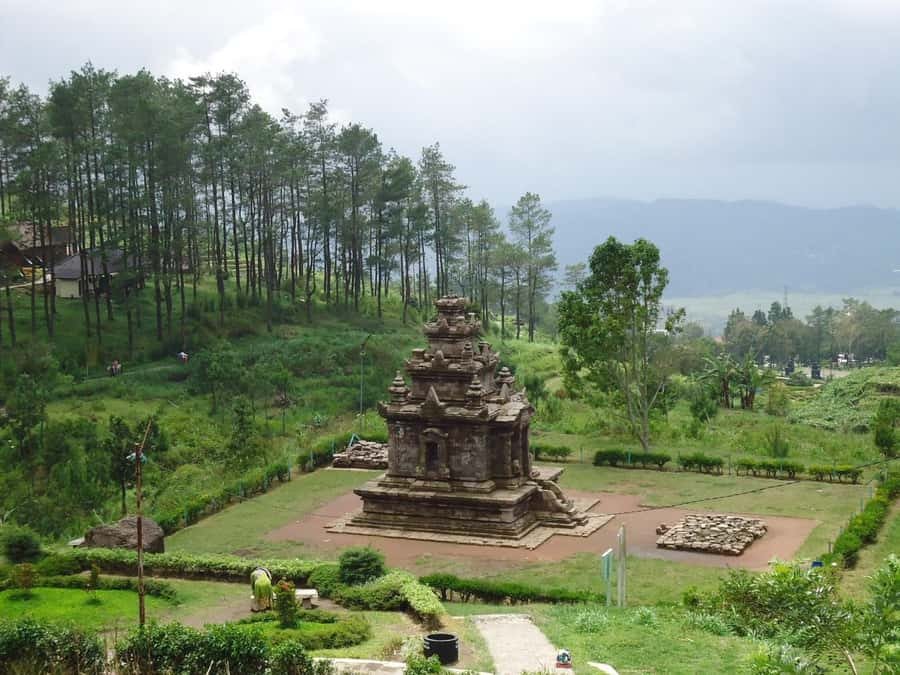
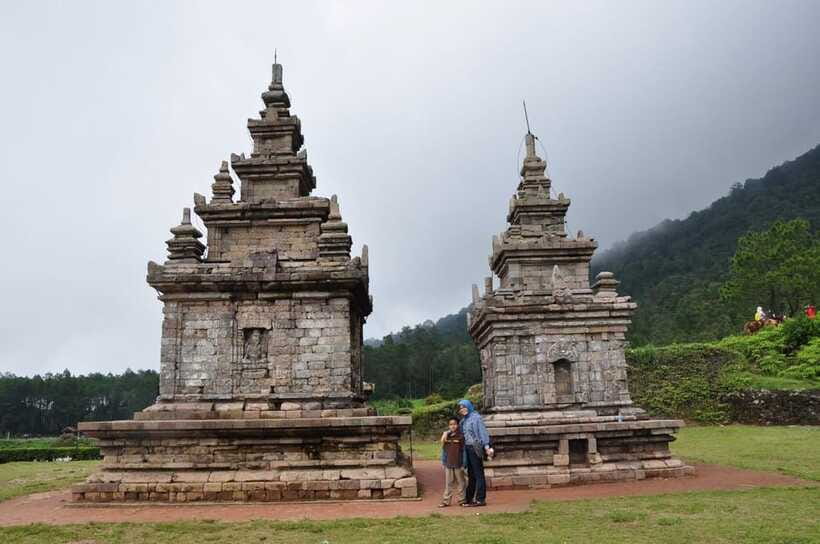
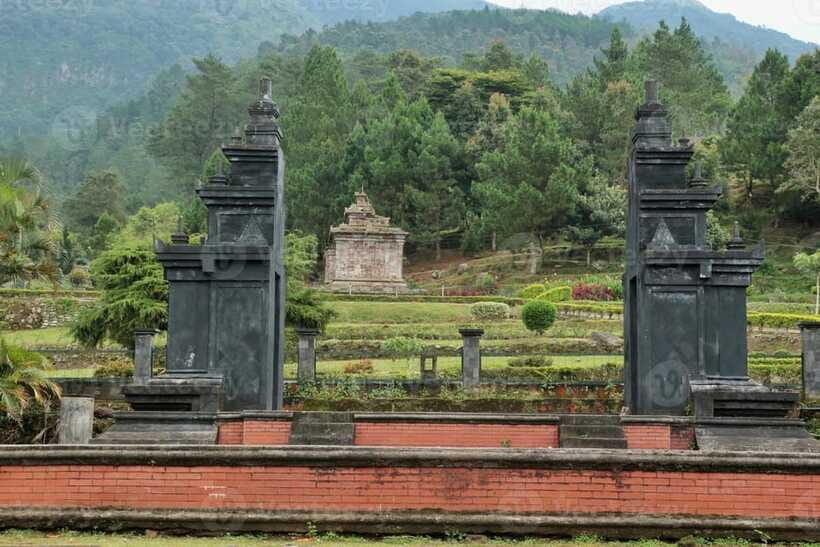
The first stop gives this day its character. Gedong Songo, meaning nine buildings or temple groups, is set on a hill near Bandungan at about 1,270 metres above sea level. The complex includes five groups spread around the slope, adding up to nine Hindu temples linked with Shiva and Parvati.
I like the way the site makes you work a little for the history. This is not a single temple reached by walking across a flat courtyard. You move through open mountain country, with the ruins appearing in separate groups. The walk gives you changing views of farms and the surrounding highlands, and the cool air is a welcome change from Semarang’s lower, warmer streets.
The temples date broadly from the eighth or ninth century, though the information supplied for the tour does not give a more precise date. Their importance is not only architectural. They show how Hindu religious sites were built in Central Java before later Buddhist and Islamic influences shaped the island’s cultural story.
You can explore all five groups, or stop after several. That choice matters. If you want the complete site, allow enough energy for the slopes and uneven paths. If you mainly want the most photogenic ruins and mountain setting, a shorter walk may be the sensible choice. Your driver can take you to the entrance, but the local site experience is largely self-guided unless you arrange and pay for a local guide.
Horses are available for parts of the route at your own expense. That may help if you do not want to walk the full distance, though you should still expect outdoor conditions and some movement around the site. Wear shoes with a firm grip, bring water, and use sunscreen even on a cool day.
The setting is the great reward here. One traveler described the temples as not comparable with Prambanan, which is a fair expectation to set. Prambanan is a grand, concentrated complex. Gedong Songo is smaller and more spread out, but it gives you quiet paths, mountain views, and a closer sense of how the ruins sit within rural Central Java.
More temple trips by train in Indonesia:
- Bangkok: Railway and Floating Market Tour with Dragon Temple
★ 4.6 · 1,225 reviews - Busan’s Cultural Wonders with Beach Train & Gamcheon Village etc
★ 4.5 · 663 reviews - From Malta: Gozo Full-Day Tour with Guide, Temples, & Train
★ 4.1 · 567 reviews
The road through Bandungan’s mountain farms
The journey between stops is part of the appeal. The route climbs from Semarang toward the Bandungan and Ambarawa area, where farms and highland crops line the roads. One visitor especially enjoyed seeing vegetables growing around the temple site, and that detail helps explain why this is more than a temple transfer.
I would keep your camera ready during the drive, but do not expect a formal series of photo stops. The listed plan allows sightseeing and scenic views on the way, while the exact pauses depend on your driver and the day’s timing. Drivers named Agung, Bima, Wasis, Irfan Adi, and Budi have handled departures, with reports of punctual pickups, local tips, help buying tickets, and occasional assistance with food choices.
The car is a private, air-conditioned five-seater. The advertised rate is for a group of up to four, so the value improves sharply when shared. At the full four-person limit, $98 works out to $24.50 per person before entrance fees and other extras. For a couple, the per-person cost is higher, but you are paying for a private vehicle and a full day rather than a seat on a fixed group bus.
The driver is not automatically a full sightseeing guide. Some drivers explain places as you pass and help with tickets. Another experience felt more like transport, with the passenger exploring each attraction alone. That difference is important: if detailed historical interpretation matters to you, ask in advance about a local guide. A local guide is not included.
Ambarawa Railway Museum and its old engines
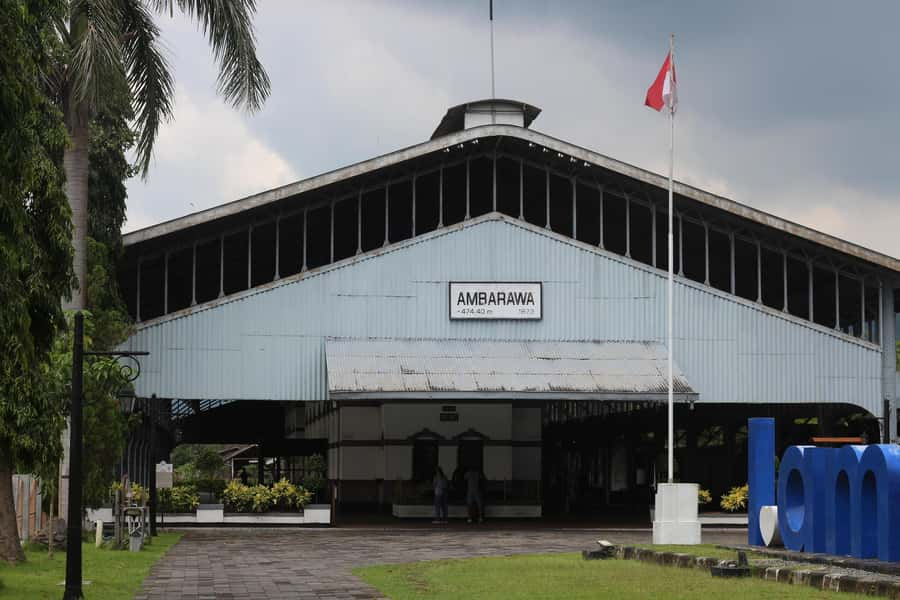
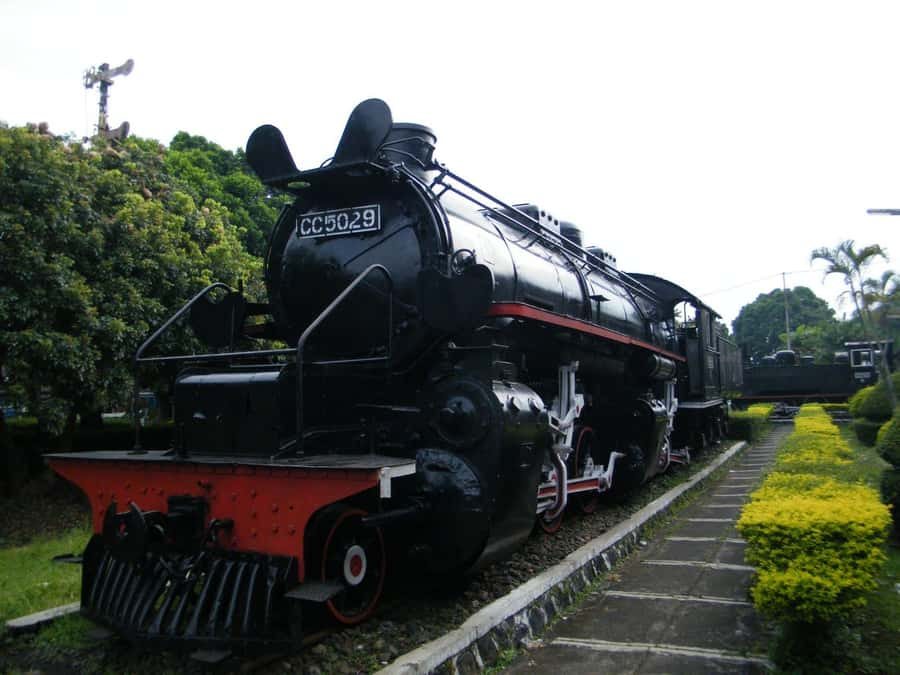
After Gedong Songo, the tour turns to a different side of Central Java’s past. The Ambarawa Railway Museum preserves about 21 steam locomotives and focuses on the former 1,067-millimetre railway line. The museum was created from the remains of that closed line and is officially connected with the Indonesian Railway Company.
For me, this stop works because it changes the pace. You have just walked among ancient stone buildings on a mountain. Now you are looking at iron engines, railway technology, and the transport network that helped connect Java in a later period.
The collection includes steam locomotives, with three operational steam engines described for tourism train trips. These include rack locomotives and a 4-4-0 two-cylinder compound steam engine, as well as a hydraulic diesel engine. The technical details will appeal to railway enthusiasts, but you do not need to be an expert to enjoy the size and character of the machines.
A train ride may be available during your visit, and one outing included a ride through rice fields. Treat it as an optional bonus rather than a guaranteed part of the package. The train activity fee is not included, and operating schedules can affect what you can do. Entrance fees are also separate.
The museum is likely to be less physically demanding than Gedong Songo, though you will still walk around the displays. One useful point from a quiet midweek visit is that the museum can feel calm, giving you time to look at the locomotives without a crowded schedule pressing you along. The exact atmosphere will depend on the date.
Banaran coffee country, with an important caveat
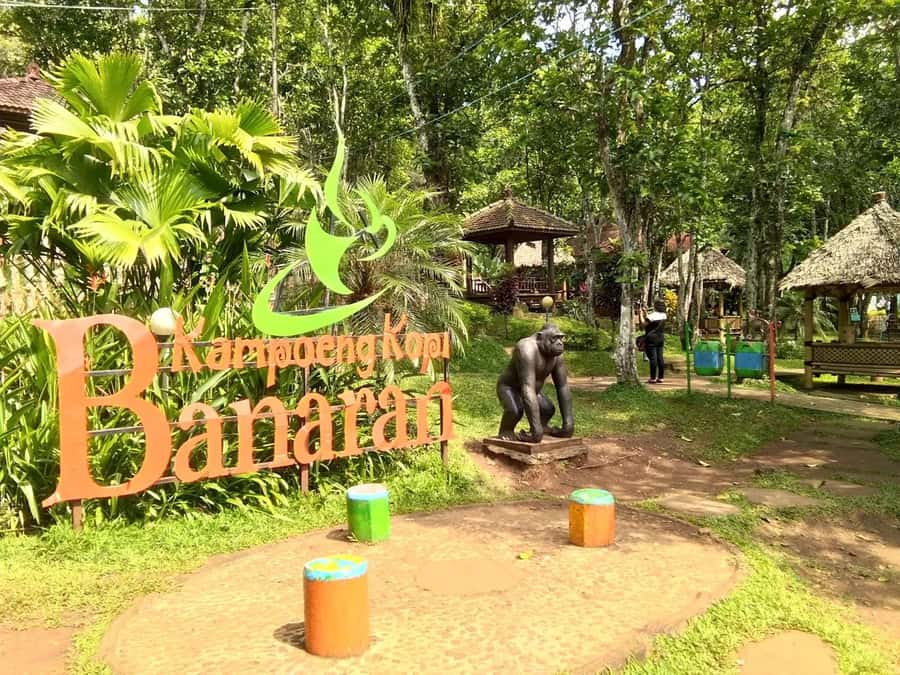
The final stop is Banaran, a large coffee and cocoa plantation area near Bawen. The plantation covers about 421 hectares and functions as an agro-tourism center, with sightseeing, crop production, plantation education, and views from the highlands.
This is a pleasant way to close the day. You can have lunch, look across the mountain country, and learn about coffee and cocoa production if the available program allows. The stop also gives you a chance to slow down after the temple walk and museum visit.
But I would not book this tour mainly for a guided coffee plantation visit. The information supplied for the experience says the plantation is a sightseeing and learning center, yet a recent departure could not take a plantation tour. Another visitor found the stop good for lunch and the view but also could not join a tour. There was also a complaint about staff trying to charge for various things.
That makes Banaran the least reliable part of the day. It may be a rewarding meal stop, but you should confirm on arrival what is included, what costs extra, and whether a real plantation walk is operating. Carry cash for meals, entrance fees, activities, and small payments. Do not assume the $98 package covers any of these.
The coffee stop still has value if you see it as a scenic pause rather than a promised factory or field tour. If coffee production is your main interest, ask your driver before leaving Semarang. If the plantation program is unavailable, you can focus on lunch and the highland views without letting one weak stop spoil the rest of the day.
More Museum Visits in Indonesia:
- Bali: Archeology Museum, Gunung Kawi & Goa Gajah Temple Tour
★ 4.9 · 75 reviews - Montserrat Museum and Monastery Entry Ticket
★ 4.5 · 1,740 reviews - Lisbon: Belem, Jeronimos Monastery, and Coach Museum Tour
★ 4.8 · 478 reviews - From Sofia: Rila Monastery and Optional Museum, Cave or Spa
★ 4.6 · 270 reviews
What the $98 private price really covers
The rate covers a private air-conditioned car with five seats, a driver, and petrol for a group of up to four. Parking, tolls, entrance tickets, activity fees, local guiding, meals, and overtime are not included. Overtime is listed at IDR 75,000 per hour, so keep an eye on the clock if your plans change.
The private format is the biggest advantage. You do not have to wait for strangers at each stop, and you can decide how much of Gedong Songo to walk. A driver may also suggest a local restaurant, as Budi did for a passenger with dietary needs, but meals remain your responsibility.
The tradeoff is that this is partly a transport service. You receive a driver who may offer local information, but not a dedicated guide who walks every site with you. Agung, for example, has been praised for being punctual, friendly, and attentive, while Wasis was valued for driving experience and extra local tips. Irfan Adi was able to explain the places well during one outing. Still, the level of commentary can vary by driver.
Pickup is from your hotel lobby in Semarang or from the Semarang Port pickup area if you are arriving by cruise ship. The day is sold as 10 hours, while the sightseeing section is described as about eight hours. I would treat it as a full-day outing and confirm the pickup and return times before setting other plans.
Free cancellation up to 24 hours before the activity and reserve-now, pay-later booking make the arrangement fairly flexible. Those policies help if your Semarang schedule depends on a cruise or changing transport plans.
Who will enjoy this day most
I would recommend this outing to anyone who wants more than city sights and prefers a private day with three very different stops. It works especially well for couples, families, and small groups of up to four who can share the car cost.
You should be comfortable walking outdoors on uneven or sloping ground. The temple visit needs a moderate level of fitness, and the experience is not suitable for wheelchair users or people with mobility impairments. Comfortable shoes, a hat, sunscreen, comfortable clothing, a camera, and cash are the right kit.
The day also suits you if you enjoy variety. Gedong Songo offers ancient religious buildings and mountain air. Ambarawa brings railway technology and the possible train ride. Banaran adds coffee, cocoa, food, and a highland rest. None of the stops needs to carry the whole day.
You may prefer another plan if you want a polished, lecture-style guided tour, guaranteed access to a working coffee plantation, or a major temple complex on the scale of Prambanan. This trip is more relaxed and flexible, with some self-guided time and several costs paid locally.
Should you book the Gedong Songo and Ambarawa trip?
Book it if you want a private mountain day from Semarang and you value a mix of old temples, railway history, farm country, and a possible coffee stop. The strongest parts are Gedong Songo’s setting, the change of pace at Ambarawa, and the chance to adjust the walking plan to suit your group.
Book with realistic expectations about the driver’s role and Banaran. Ask who is driving, whether a local guide can be arranged, what train activities are running, and what the plantation stop includes that day. If you share the car with three other people, the price is good. If the coffee tour is essential, confirm it before paying.
FAQ
How long does the tour last?
The activity is listed as 10 hours. The sightseeing portion is also described as about eight hours, so allow a full day from pickup in Semarang to return.
Where does pickup take place?
The driver meets you at your hotel lobby in Semarang. Cruise passengers can arrange pickup at the Semarang Port pickup area.
Is the tour private?
Yes. It is a private-group experience using an air-conditioned five-seater car, with space for groups of up to four people.
Are entrance tickets and meals included?
No. Entrance fees, activity fees, parking, tolls, local guides, and meals are not included in the price.
Can I ride a horse at Gedong Songo?
Yes. You can explore the temple groups on foot or use a horse at your own expense. The activity requires a moderate level of fitness.
Is a coffee plantation tour guaranteed at Banaran?
No. The stop is a coffee and cocoa agro-tourism center, but plantation tours may not be operating. Confirm the available program and any extra charges when you arrive.
Temple visits we reviewed lately in Indonesia
- SEMARANG SHORE TOURS: BOROBUDUR TEMPLE EXCURSIONS★ 5.0 · 3 reviews
- Yogyakarta: Selogriyo Temple, Rice Terraces & Waterfall Tour★ 5.0 · 46 reviews
- Yogyakarta: Selogriyo Temple Tour & Java Rice Terrace Trek★ 5.0 · 175 reviews
- Selogriyo Temple Rice Terraces Private Tour with Local Lunch★ 5.0 · 4 reviews
- Ubud: Rice Terrace, Holy Water Temple & Waterfalls Trek Tour★ 4.9 · 115 reviews
- Private ubud tour Rice teracce, temple & Secret waterfall★ 3.7 · 3 reviews
- Prambanan Temple Afternoon Tour★ 4.9 · 48 reviews
- Yogyakarta: Prambanan Temple Morning Tour and Palace Tour★ 5.0 · 4 reviews
Indonesia Temple Tours, compared.
Ubud: Monkey Forest, Jungle Swing, Rice Terrace, and Water Temple
Read our review →
Ubud: Waterfalls, Water Temple & Rice Terraces Private Tour
Read our review →
Bali: Besakih Temple & Lempuyang Temple Gates of Heaven Tour
Read our review →
Bali: Kecak Fire Dance Show & Uluwatu Temple Entry Ticket
Read our review →
Full-Day Tour to Water Temples and UNESCO Rice Terraces in Bali
Read our review →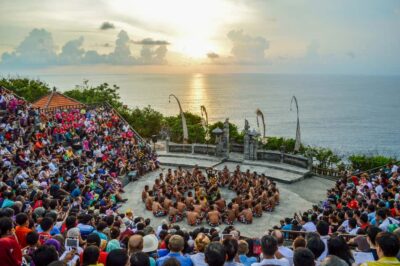
Bali Sunset: Uluwatu Temple, Kecak Dance and Jimbaran Bay
Read our review →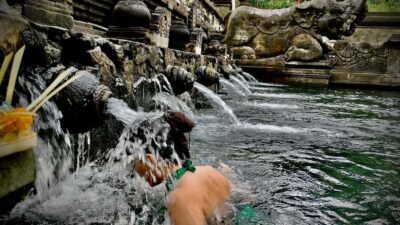
Tirta Empul: Temple Tour with Optional Spiritual Cleansing
Read our review →Private Uluwatu Temple and Kecak Fire Dance Evening Tour in Jimbaran Bay
Read our review →This tour also ranks in