
Review · INDONESIA
Yogyakarta: Selogriyo Temple Tour & Java Rice Terrace Trek
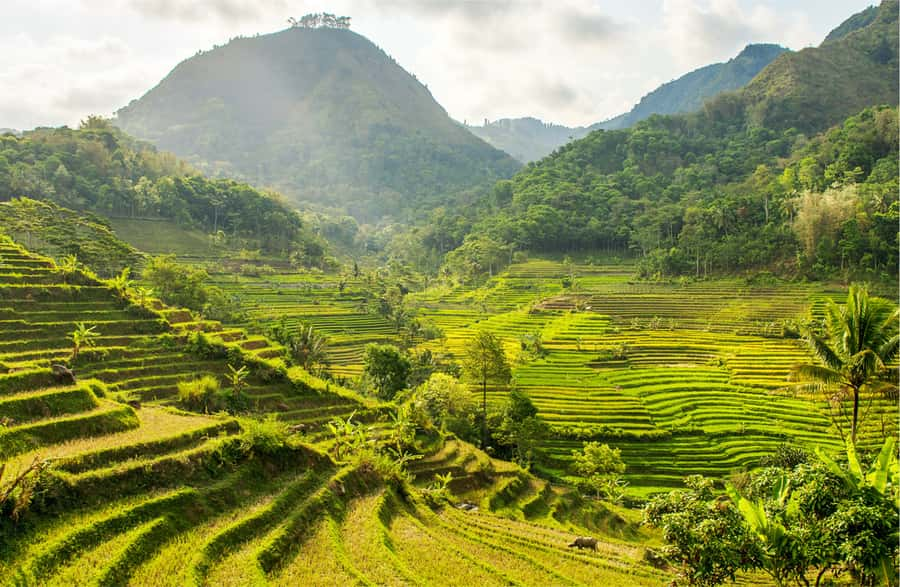
Selogriyo Temple is not a grand monument on the scale of Borobudur. That is precisely the point. You reach this small Hindu shrine by walking through quiet rice terraces, where farmers grow rice, corn, beans, ginger, coffee, and other crops. The setting, not the size of the temple, is the star.
I like the peaceful countryside and the chance to learn how Java’s farms work from a local guide. I also like the easy hotel pickup, which turns a remote rural visit into a manageable half-day trip from Yogyakarta.
The main consideration is the walk. It involves a moderate amount of walking, and the paths can be muddy in wet weather. If you want a grand temple with many carvings and formal exhibits, this may feel too small. If you want quiet hills, village life, and fresh air, it makes good sense.
Key points before you book
- A quiet route to a small Hindu temple: Selogriyo is far less crowded than Java’s major temple sites.
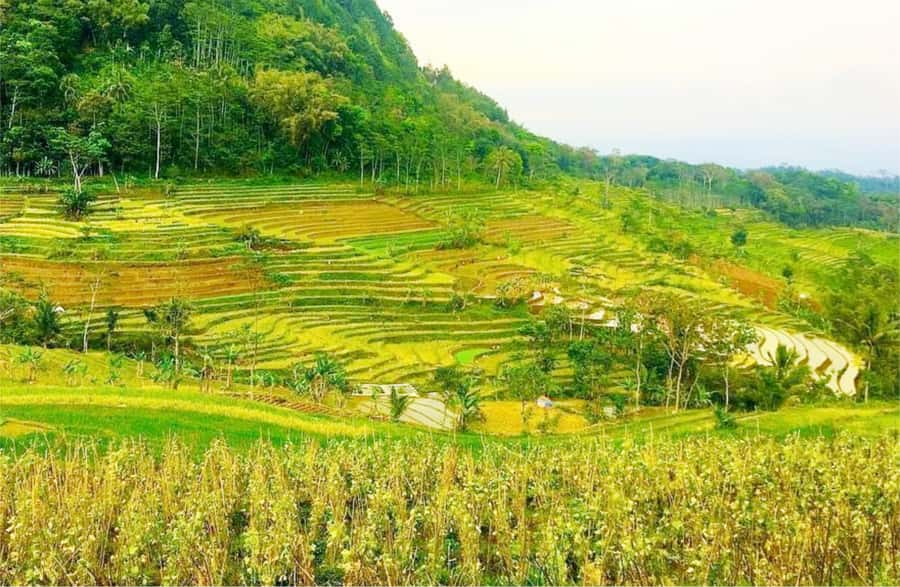
- The walk is the main attraction: Rice terraces, local crops, village paths, and hillside views fill the route.
- Excellent local guiding: Guides including Yuni, Haidar, Atok, Aulion, and Arief are praised for explaining farming, plants, culture, and history.
- Convenient from Yogyakarta: The drive takes about two hours from Yogyakarta or about one hour from the Borobudur area.
- Good value at $55: Hotel transfers, entrance, parking, donation, and an English-speaking guide are included.
- Allow for mud and sun: Wear proper shoes, bring sunscreen, and carry cash for drinks or small purchases.
Why Selogriyo works as a countryside escape
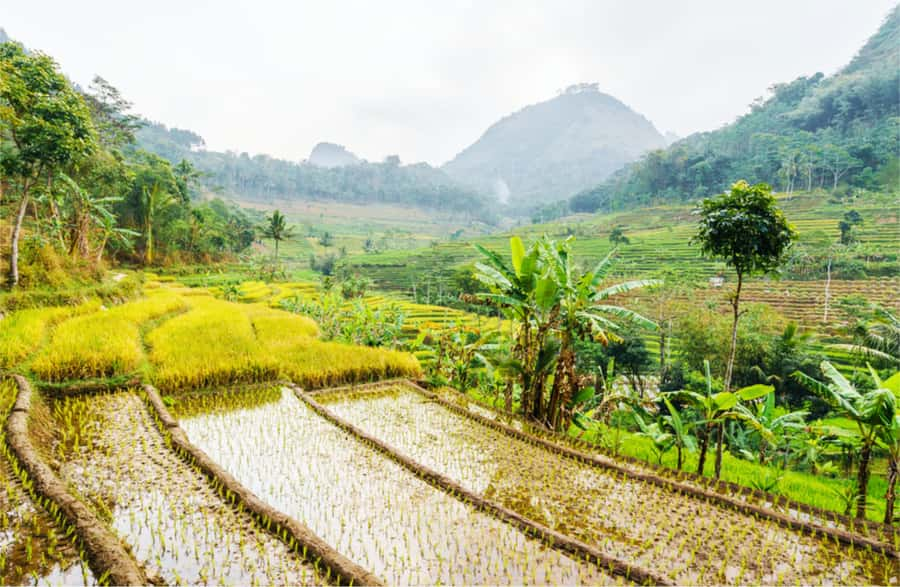
The appeal here is simple. You leave the traffic and city streets behind, then head into the hills toward a temple that sits away from the usual sightseeing circuit. The road journey takes time, but that distance protects the quiet atmosphere.
From Yogyakarta, allow around two hours each way by vehicle. That means the six-hour activity includes a fair amount of driving. From the Borobudur area, the drive is shorter, around one hour, making the outing feel less rushed.
The countryside changes as you approach the temple. Hills rise around the road, and the built-up city gives way to farms and village homes. The approach is part of the experience rather than dead time, especially when your guide uses the ride to explain Java, local customs, farming, or daily life.
The tour is limited to 15 people, though several bookings have operated as private outings when no other participants joined. That can make the pace more personal. Guides have adjusted walks for individual interests, stopped for photos, and offered a simpler route or a more adventurous path through the fields.
More Rice Terrace and Temple Tours in Indonesia:
- Ubud: Monkey Forest, Jungle Swing, Rice Terrace, and Water Temple
★ 5.0 · 7,160 reviews - Ubud: Waterfalls, Water Temple & Rice Terraces Private Tour
★ 5.0 · 5,484 reviews - Full-Day Tour to Water Temples and UNESCO Rice Terraces in Bali
★ 5.0 · 2,539 reviews
The walk through Java’s rice terraces
The trek begins near the rural approach to Selogriyo. You walk uphill through terraces and cultivated plots toward the temple. The route is not described as a strenuous mountain hike, but it is not a flat stroll either.
The surface and conditions matter. In dry weather, the walk can be easy and pleasant. During the rainy season, expect wet ground and muddy shoes. One visitor specifically advised being ready for mud, so old walking shoes are a better choice than spotless trainers.
The scenery earns its place in the itinerary. The terraces are not just pretty green steps for photographs. They are working farmland. Depending on the season, you may see rice at different stages, along with beans, corn, tobacco, papaya, ginger, coffee, coconut, herbs, and other plants.
This is where the guide makes a real difference. Yuni has explained individual plants and shared stories from growing up in the area. Haidar has discussed planting and harvesting as well as village customs. Atok has pointed out plants and animals along the trail. Those details turn a pleasant walk into a lesson in how rural Java feeds itself.
You may also see farmers working in the fields. The value is in observing without rushing. Your guide can explain the process from seedling to harvest, why other crops appear during the dry season, and how the land is used beyond rice.
The route can be adapted to your energy and curiosity. Some people have chosen the usual easier path, while others have walked directly through more of the terraces. Ask your guide at the start what options are available that day, especially if rain has changed the condition of the paths.
Reaching Candi Selogriyo
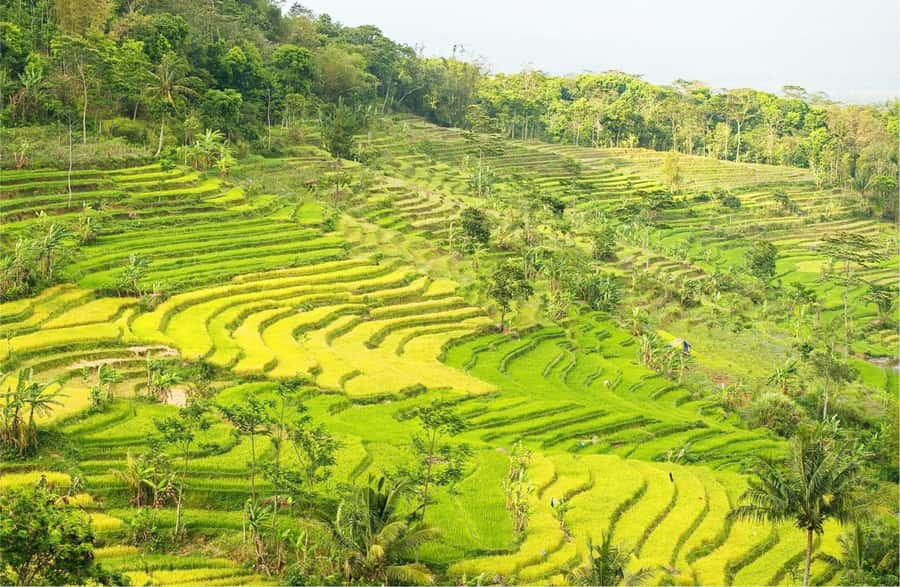
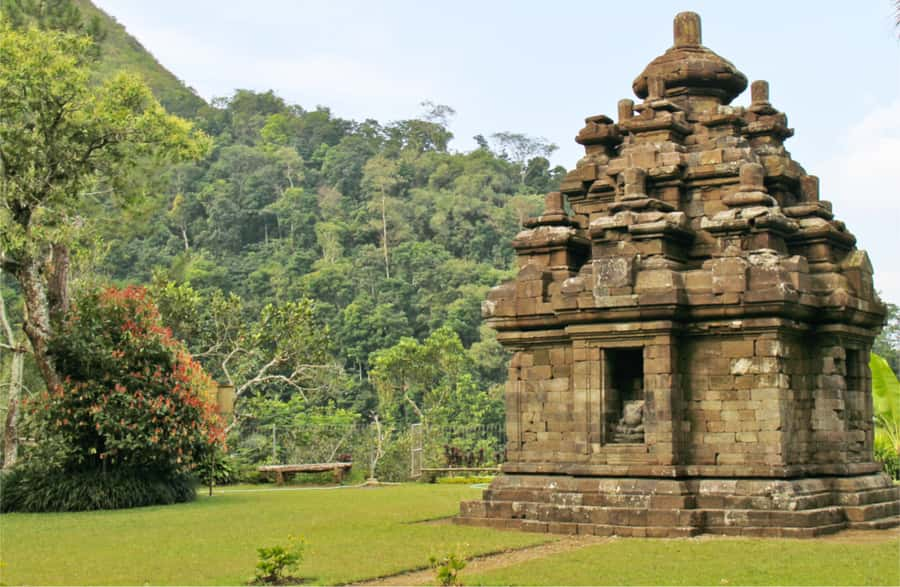
At the top sits Candi Selogriyo, a small Hindu temple surrounded by gardens and hillside greenery. Do not arrive expecting a vast complex. The temple is modest, but its isolated setting gives it a calm, almost storybook quality.
The site includes distinctive Hindu sculptures and a structure that your guide can explain. The walk gives the temple its meaning. After passing farms and meeting local people, you reach a quiet religious site that feels tied to the surrounding hills rather than separated from them.
This is also a good place to slow down. You can look back across the cultivated slopes, take photographs, and enjoy the absence of crowds. Several outings have had very few other people at the temple, and some visitors have found themselves with the site nearly to themselves.
The setting is more memorable than the architecture alone. Borobudur and Prambanan are the major temple visits in this part of Java, with far more monumental stonework. Selogriyo offers a smaller encounter: a rural shrine, a hillside walk, and a stronger sense of the communities around it.
Your guide can also explain the religious background and the sculptures. Arief, Haidar, and Yuni have been especially good at linking the temple to Indonesian culture and local traditions. The quality of this explanation depends on the guide assigned to you, but the tour consistently places strong emphasis on local interpretation.
The guides make the difference
This is a guide-led experience, not simply a car ride to a viewpoint. The best guides keep the day moving while leaving room for questions, photographs, and quiet pauses.
Yuni is often praised for his English, easy conversation, plant knowledge, and careful driving. He has taken photographs, shared childhood stories, and explained local agriculture. Haidar has been valued for his discussions of village life, politics, history, farming, and religion. He has also adjusted explanations to suit a guest’s interests.
Atok is described as friendly, flexible, and good at spotting plants and animals. He has taken guests along alternative paths and helped add extra stops when time allowed. Aulion has combined strong English with stories about food, cassava, and local life. Kin has added humor and conversation during the long drive, while Arief has been praised for making solo visitors feel comfortable and safe.
You cannot necessarily request a particular guide, but names such as Yuni, Haidar, Atok, Aulion, Kin, and Arief appear repeatedly among the strongest experiences. If one is available, asking for that guide may be worthwhile, though the actual assignment depends on scheduling.
The guide also affects the pace. You can ask for more information about plants, farming, religion, or village life. You can also ask for more time at the temple or for photo stops. This is a good outing for curious people who like conversation, not just a checklist of sights.
More temple hikes and treks in Indonesia:
- Bali: Munduk Waterfalls Trek, Twin Lakes and Temple Tour
★ 4.8 · 545 reviews - Munduk: Twin Lake Jungle Hike, Ulun Danu Temple, & Waterfall
★ 4.9 · 536 reviews - Ubud: Rice Terrace, Holy Water Temple & Waterfalls Trek Tour
★ 4.9 · 115 reviews - All Inclusive Sekumpul Waterfall Trekking , Handara Gate & Temple
★ 5.0 · 64 reviews
Coffee, tea, and possible local stops
After the walk, some outings have included a stop at a local cafe or coffee shop. These visits are not the central advertised feature, so you should treat them as possible additions rather than guaranteed parts of every booking.
The stop can be a pleasant finish. Previous outings have included local coffee, ginger tea, lemongrass tea, blue pea tea, and fried cassava. Some guides have arranged for visitors to learn more about preparing coffee or have stopped at a coffee shop familiar to local residents.
Other groups have visited a batik shop or a civet coffee outlet on the way. Again, these stops can depend on time, interest, and the guide. If you want a direct temple-and-terraces visit, say so. If you are curious about local food and drink, ask what can fit into the schedule.
These small extras work because they keep the day connected to ordinary life. You are not only looking at farmland from a trail. You may get a taste of what people grow, make, drink, or sell in the region.
Transport from Yogyakarta and Borobudur
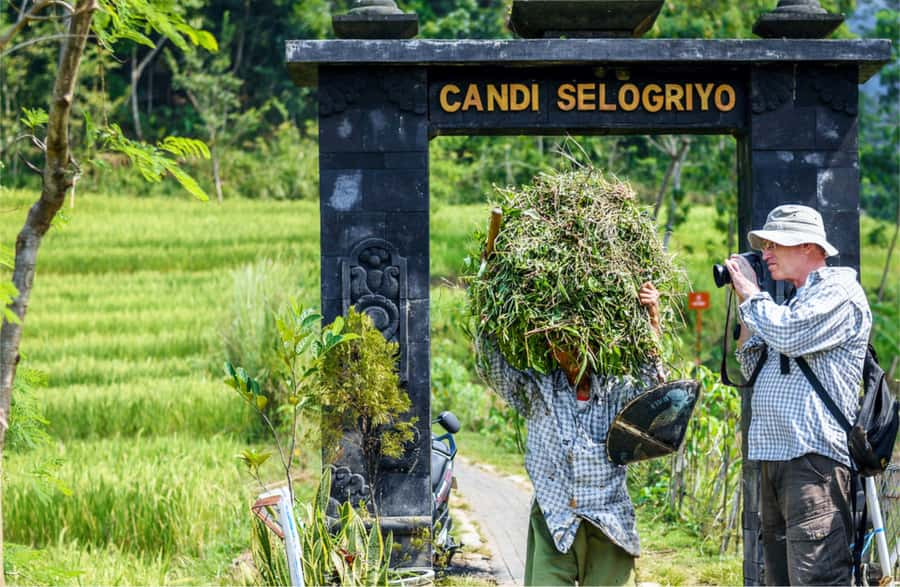
Pickup and drop-off at your accommodation are included. This matters because Selogriyo is remote, and arranging local transport to the trailhead on your own would add time and uncertainty.
From Yogyakarta city, expect about two hours of travel to the temple area. From Borobudur, the journey takes about one hour. The vehicle ride is part of the six-hour total, so this is best viewed as a focused half-day outing rather than a full day of hiking.
The transport has received very strong marks, with 97 percent of ratings giving it a perfect score. Guides are also often the drivers, which makes the ride more useful. You can ask questions during the journey, hear about Java, or simply rest if you have been sightseeing hard.
Several guides have been praised for careful driving, punctual pickup, and comfortable vehicles. That is especially useful after the walk, when a relaxed ride back is much better than trying to find transport from a rural trailhead.
Pickup is listed from accommodation in Yogyakarta, with the wider activity also serving people staying around Borobudur. Confirm your exact pickup location when booking, particularly if your accommodation lies outside the usual city area.
Is $55 a fair price?
At $55 per person, the tour is not the cheapest way to see a rural area. But the price includes more than admission to a small temple. You are paying for roundtrip transport, parking, entrance, a donation, an English-speaking guide, and the time involved in reaching a remote site.
For a solo visitor, the value comes from avoiding the hassle of arranging a driver and finding the temple route independently. For two or more people, the cost can feel even more reasonable because the vehicle and guide are shared.
The strongest value is the local explanation. You could potentially reach a rural temple by arranging transport, but you would miss much of the farming and cultural context. A good guide points out crops, explains the terraces, handles the route, and helps you understand what you are seeing.
The value drops if you only want a large, highly decorated monument. Selogriyo is small, and the drive is long compared with the time spent at the temple itself. Book it for the countryside walk and the human connection, not for an elaborate architectural tour.
Free cancellation up to 24 hours before the activity and reserve-now-pay-later booking also reduce the financial risk. Starting times depend on availability, so check the schedule before building the rest of your day around it.
What to bring and how hard is it?
Bring comfortable shoes with a grip, sunscreen, comfortable clothes, and cash. Shoes that can handle mud are the sensible choice, especially during the rainy season.
The activity involves a moderate amount of walking. The path is manageable for many people, but the uphill sections and uneven farm routes require steady footing. You should be comfortable walking for several hours with breaks.
There is no need to pack specialist hiking equipment. The practical challenge is heat, humidity, mud, and the occasional slippery section. A hat, water, and a small bag for personal items would be sensible, though only comfortable shoes, sunscreen, comfortable clothing, and cash are specifically listed as things to bring.
Ask about the route before setting out. Guides have offered easier paths as well as more adventurous walks through the terraces. If conditions are wet, choose the route that matches your confidence rather than trying to prove anything.
Who should book this outing?
I would choose this tour if you want time in nature, enjoy walking, and prefer a less crowded place. It suits solo visitors, couples, families with active older children, and anyone who wants to see how rural Java works beyond the main temple circuit.
It is also a strong choice if you have already seen Borobudur or Prambanan and want a different side of the region. Instead of another major monument, you get farms, local people, hills, and a small temple reached on foot.
It is less suitable if you dislike long drives, muddy paths, or informal rural walking. It may also disappoint you if your main goal is grand architecture. The temple is compact, and the route is more important than the final monument.
The guide matters enough that I would treat the human side of the tour as part of the booking decision. Yuni, Haidar, Atok, Aulion, Kin, Arief, and others have each brought different strengths, from plant knowledge and careful driving to humor, photography, and stories about Javanese life.
Should you book Selogriyo Temple and the rice terraces?
Book it if your ideal Java morning includes quiet fields, a moderate walk, local crops, a small Hindu temple, and a guide who can explain the place in plain English. The route offers a calmer contrast to Yogyakarta’s busy streets and the major temple sites.
Skip it if six hours feels too long for a small temple or if you want a packed schedule of famous monuments. For most people who value scenery and local contact, the $55 price is fair because it covers the difficult transport and provides a guide who adds meaning to the walk.
If you go, wear shoes you can get muddy, leave room for conversation, and ask about the crops around you. That is where Selogriyo earns its place in a Java itinerary.
FAQ
How long does the Selogriyo Temple tour last?
The activity lasts six hours, including transportation from your accommodation, the walk through the rice terraces, time at the temple, and the return journey.
How far is Selogriyo Temple from Yogyakarta?
The journey takes about two hours from Yogyakarta city. From the Borobudur area, the drive takes about one hour.
Is hotel pickup included?
Yes. Pickup and drop-off from accommodation in Yogyakarta are included. Pickup is also available from the Borobudur area according to the activity details.
What is included in the $55 price?
The price includes hotel pickup and drop-off, entrance, an English-speaking guide, parking, and a donation fee.
How large is the tour group?
The activity is limited to 15 participants. Some departures may operate as private tours when no other participants join.
How difficult is the walk?
The trip involves a moderate amount of walking through rice terraces and uphill rural paths. Comfortable shoes are recommended, and the ground may be muddy.
What should I bring?
Bring comfortable shoes, sunscreen, comfortable clothing, and cash.
Can I cancel the booking?
You can cancel up to 24 hours in advance for a full refund. The reserve-now-pay-later option lets you book without paying immediately.
Temple visits we reviewed lately in Indonesia
- SEMARANG SHORE TOURS: BOROBUDUR TEMPLE EXCURSIONS★ 5.0 · 3 reviews
- SEMARANG TOURS : GEDONGSONGO TEMPLE/TRAIN MUSEUM AMBARAWA★ 4.8 · 11 reviews
- Yogyakarta: Selogriyo Temple, Rice Terraces & Waterfall Tour★ 5.0 · 46 reviews
- Selogriyo Temple Rice Terraces Private Tour with Local Lunch★ 5.0 · 4 reviews
- Ubud: Rice Terrace, Holy Water Temple & Waterfalls Trek Tour★ 4.9 · 115 reviews
- Private ubud tour Rice teracce, temple & Secret waterfall★ 3.7 · 3 reviews
- Prambanan Temple Afternoon Tour★ 4.9 · 48 reviews
- Yogyakarta: Prambanan Temple Morning Tour and Palace Tour★ 5.0 · 4 reviews
Indonesia Temple Tours, compared.
Ubud: Monkey Forest, Jungle Swing, Rice Terrace, and Water Temple
Read our review →
Ubud: Waterfalls, Water Temple & Rice Terraces Private Tour
Read our review →
Bali: Besakih Temple & Lempuyang Temple Gates of Heaven Tour
Read our review →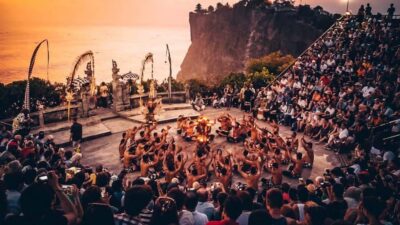
Bali: Kecak Fire Dance Show & Uluwatu Temple Entry Ticket
Read our review →
Full-Day Tour to Water Temples and UNESCO Rice Terraces in Bali
Read our review →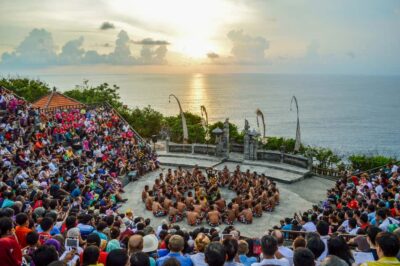
Bali Sunset: Uluwatu Temple, Kecak Dance and Jimbaran Bay
Read our review →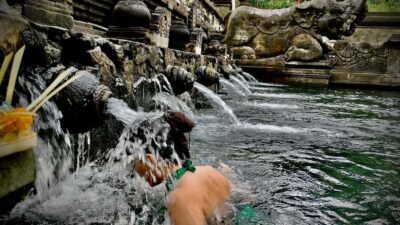
Tirta Empul: Temple Tour with Optional Spiritual Cleansing
Read our review →Private Uluwatu Temple and Kecak Fire Dance Evening Tour in Jimbaran Bay
Read our review →This tour also ranks in