
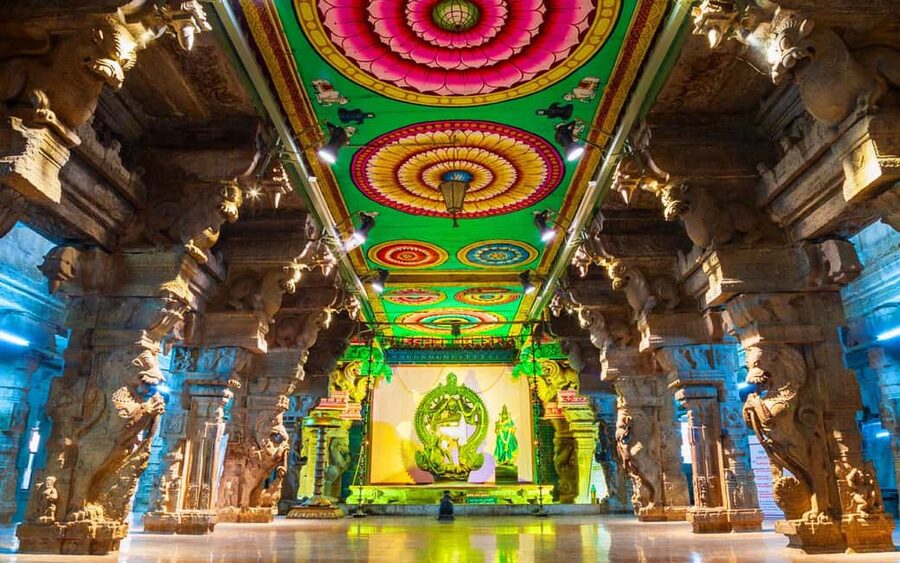
Review · INDIA
Night Ceremony at Madurai Meenakshi Amman Temple Tour
The most memorable part of this Madurai evening is the Ardhajama Pooja, the temple’s nightly rest ceremony. Lord Sundareswarar is carried in a decorated palanquin to the shrine of Goddess Meenakshi, accompanied by priests, chanting devotees, oil lamps, and the sharp, beautiful sound of Nadaswaram and Thavil music.
I like the way this tour centers on a living religious practice rather than a quick look at old stonework. I also like the private car, hotel pickup, and evening timing, which make it easy to fit into a busy Tamil Nadu itinerary. The main concern is timing: the package is sold as four hours, but one recent booking recorded only about 90 minutes, and the guide was not French despite that language being offered.
Key points to know before booking
- The ceremony is the main event: Expect the symbolic nightly union of Meenakshi and Sundareswarar, not a general temple tour.
- Music and movement shape the experience: Nadaswaram, Thavil, chanting, lamps, and a decorated palanquin accompany the ritual.
- The four-hour duration may be flexible: One recent booking lasted roughly 90 minutes, so confirm the schedule before you go.
- The private vehicle adds comfort: Hotel pickup, drop-off, parking, bottled water, and an air-conditioned car are included.
- Dress and conduct matter: This remains an active place of worship, so modest clothing and quiet respect are essential.
- Plan for bag restrictions: A recent booking reported that bags and electronic items had to be left with a souvenir seller.
Why the night ceremony matters
Madurai’s Meenakshi Amman Temple is not simply a historic building you visit, photograph, and leave behind. It is a functioning center of worship, and the nightly ceremony gives you a close look at how that religious life continues.
The Ardhajama Pooja marks the symbolic rest and togetherness of Goddess Meenakshi and Lord Sundareswarar, the temple’s divine couple. During the ritual, the idol of Lord Sundareswarar leaves his sanctum and is carried to Meenakshi’s shrine in a decorated palanquin.
That movement is the heart of the evening. You are not just looking at an idol behind a barrier. You are watching an established ritual unfold through music, procession, prayer, and repeated gestures that have been carried out for centuries.
I find this kind of experience more revealing than a standard monument visit. The temple’s architecture matters, but the ceremony shows why the building still matters to people now.
More South Indian Temple Tours in India:
- Full-Day Private Tour to the Kanchipuram Temples from Chennai
★ 5.0 · 73 reviews - World heritage site of Belur & Halebid with temple sculptures
★ 5.0 · 24 reviews - Mahabalipuram and Kanchipuram Private Caves & Temples Tour
★ 4.7 · 17 reviews
Arriving at Meenakshi Amman Temple after dark
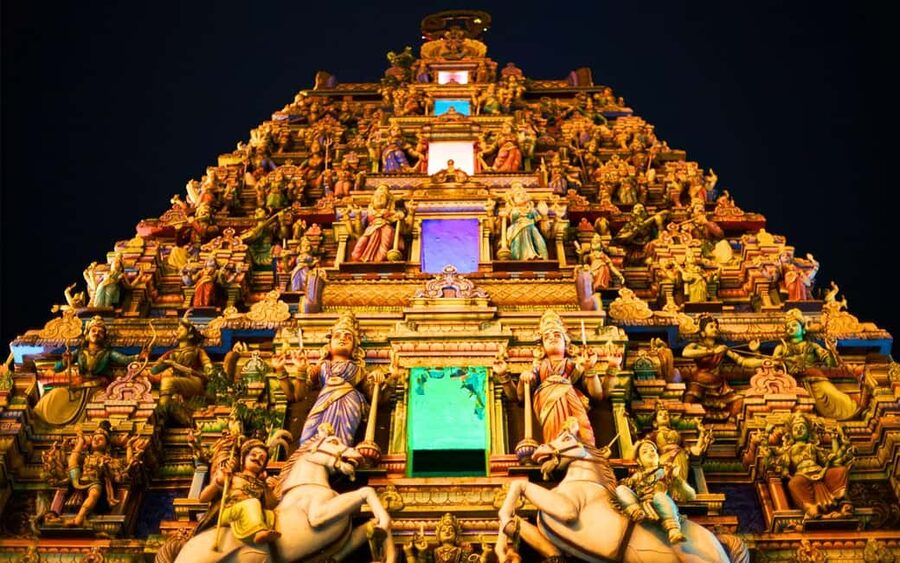
The tour includes hotel pickup in a private air-conditioned vehicle, along with drop-off afterward. That is useful in Madurai, especially if you are staying away from the temple area or prefer not to sort out evening transport yourself.
Your driver and guide are expected to take you to the temple for the evening program. The package includes parking, entrance, and bottled water, so the main expenses are covered before you arrive.
The guide languages listed are English, French, and Tamil. No guide name is provided, so if French is important to you, confirm it before booking. One recent booking found that the guide was not French-speaking, despite French being advertised as an option.
That detail is worth taking seriously. A guide can explain the order of the ceremony, the meaning of the procession, and the temple’s customs. Without that explanation, you can still see and hear the ritual, but you may miss the details that make it easier to understand.
The temple’s evening atmosphere
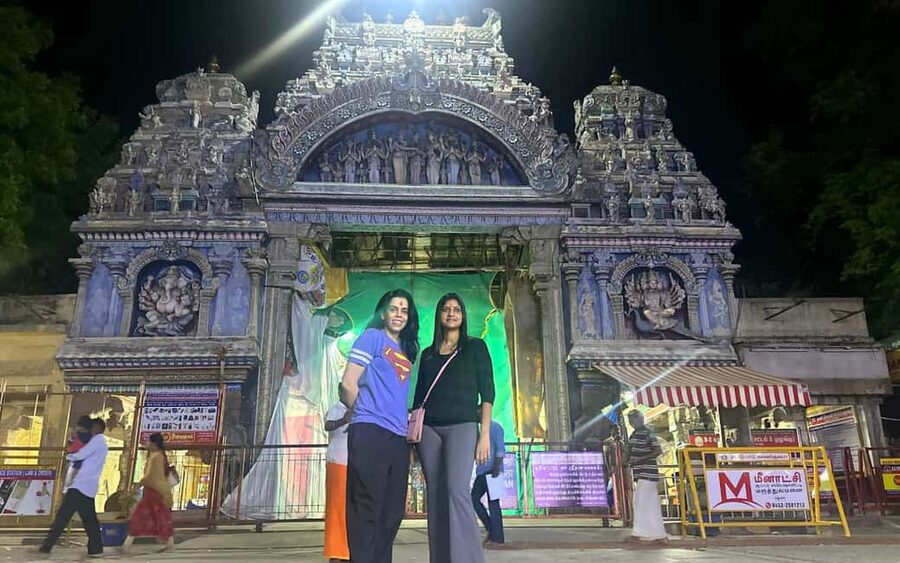
The night setting gives the visit a different mood from a daytime temple stop. Oil lamps flicker against the stone, while flowers, incense, jasmine, and sandalwood shape the air around the ritual.
The temple’s Dravidian architecture also takes on a different character after dark. The complex is known for its ancient design and ornate religious setting, but the evening ceremony brings attention away from simply counting towers or admiring carvings.
Instead, you notice the movement of people through the sacred spaces, the sound of traditional instruments, and the glow of lamps near the procession. The setting feels more focused and ceremonial.
The tour information describes the night visit as peaceful and less crowded. That does not mean you should expect an empty temple. This is a nightly religious practice, and devotees attend it. The useful point is that an evening ceremony can feel calmer and more purposeful than a rushed daytime sightseeing visit.
Following the palanquin procession
The ritual begins with Lord Sundareswarar being carried from his sanctum toward the shrine of Meenakshi. The decorated palanquin, priests, musicians, lamps, and chanting devotees create a moving line through the temple.
The Nadaswaram and Thavil are especially important to the mood. Nadaswaram is a powerful traditional wind instrument, while Thavil is a large barrel drum. Together, they produce music that is far more physical than soft background sound. You feel the rhythm as the procession moves.
This is also the point where you should adjust your expectations. You are observing a sacred practice, not watching a staged cultural performance designed for tourists. The musicians and priests are carrying out their religious roles, and the devotees are participating in worship.
Stay attentive, keep your voice low, and follow your guide’s directions. The most respectful approach is also the most rewarding one. You can watch closely without treating the ritual as a show.
More Temple Tours around India:
- New Delhi: Akshardham Temple Tour with Water and Light Show
★ 4.8 · 313 reviews - Old Delhi Food-Spice Market-Temples Tour Soon Featured on NETFLIX
★ 5.0 · 304 reviews - Private Guided Spiritual Walk in Banganga Hindu Temples
★ 5.0 · 271 reviews - Taj Mahal Sunrise with Lord Shiva Temple:- All Inclusive
★ 5.0 · 207 reviews
The Palliarai Seva and the meaning of rest
The night ceremony is also known as the Palliarai Seva, or royal resting ceremony. Its central idea is the divine couple’s nighttime rest together.
That meaning gives the procession a clear purpose. The movement of Lord Sundareswarar to Meenakshi’s shrine is not random temple activity. It represents union, companionship, and the close of the day’s religious cycle.
You do not need specialist knowledge to follow the basic story. The guide should help explain who the deities are, why the idol is carried, and how the ceremony fits into the temple’s daily routine.
The ritual lasts only part of the evening, but its importance comes from repetition. It happens every night, around 7:00 p.m., making it a dependable part of Madurai’s religious calendar rather than a rare event arranged for special occasions.
What the four-hour schedule really means
The advertised duration is four hours, but the ceremony itself is only one part of the outing. The total time likely allows for hotel pickup, driving, temple entry, the ritual, and return to your hotel.
You should not assume that four hours means four hours inside the temple or four hours of continuous ceremony. The Ardhajama Pooja is the focus, while transport and waiting time fill out the package.
There is also a practical warning. One recent booking reported that the complete visit lasted about 90 minutes instead of the stated four hours. If you are arranging dinner, another tour, or a train afterward, build in flexibility and ask for the expected pickup and return times before departure.
The timing is listed as around 7:00 p.m., but the exact start time should be checked when you reserve. Temple ceremonies follow religious schedules, and small changes can affect the evening.
Temple rules, clothing, and personal items
Modest dress is important. You are entering an active Hindu temple during worship, so cover yourself respectfully and avoid clothing that would feel out of place in a sacred setting.
The ceremony is not the moment for loud conversation, casual posing, or intrusive photography. Follow the guide’s instructions about where you may stand and what you may bring into the temple.
A particularly important practical point concerns bags and electronics. One recent booking reported that bags and electronic items had to be deposited with a souvenir seller. That arrangement may be required by temple rules or local practice, but it is still something you should clarify before handing over valuable belongings.
Carry only what you need. Ask where items will be stored, whether phones and cameras are allowed, and what the return process is. Do not assume that an included tour guide can solve a storage problem after you arrive.
The safest approach is to keep valuables to a minimum and follow the temple’s current instructions. Rules can be strict around sacred areas, and they may change.
What the private format adds
This is sold as a private group experience, which gives it an advantage over a large shared excursion. You have a private air-conditioned vehicle and a guide assigned to your group rather than being folded into a large bus party.
That makes the outing easier to manage. You can ask questions about the ritual, discuss the meaning of the music, and move at a pace that suits your group. Hotel pickup and drop-off also remove some of the evening planning.
Still, private does not mean you control the ceremony. The temple ritual follows its own schedule, and the guide cannot turn it into a private performance. Your group remains one small audience within a functioning place of worship.
The private format is most useful for couples, families, or small groups who value door-to-door transport and a quieter explanation. If you are already near the temple and comfortable arranging your own entry, transport, and timing, the package may offer less added value.
Is $41 a fair price?
At $41 per person, the price needs to be judged as a package rather than as the cost of watching one ceremony.
Included are hotel pickup and drop-off, private air-conditioned transport, a local English, French, or Tamil-speaking guide, temple entry, parking, and bottled water. Food and drinks are not included.
For someone staying outside the immediate temple area, those inclusions can make the price reasonable. Evening transport, parking, and a private car can be worth paying for, especially if you do not want to negotiate local transport after dark.
The value is weaker if you are already staying close to Meenakshi Amman Temple and can reach it easily on your own. In that case, you are mainly paying for the guide, entrance, and convenience.
The short reported duration also affects the calculation. If the actual outing takes around 90 minutes, $41 may feel high unless the private transfer and explanation are especially useful to you. If it uses most of the stated four hours, the package becomes easier to justify.
I would treat the tour as a convenience purchase, not a bargain temple admission. Its best value comes from combining transport, a guide, and a focused religious experience in one booking.
Who will enjoy this Madurai experience most?
I would recommend it most strongly to someone visiting Madurai for the first time who wants more than architecture. The ritual offers a direct look at Tamil religious customs, music, symbols, and daily worship.
It also suits cultural and spiritual tourism. You do not need to be religious to appreciate the ceremony, but you should be willing to observe respectfully and accept that the experience is devotional first and touristic second.
Families may appreciate the short central ritual, though the exact duration and temple rules should be confirmed in advance. Couples and small private groups will likely value the air-conditioned vehicle and hotel service.
This is less suitable if you want a flexible evening with lots of sightseeing stops, food tasting, or shopping. The activity is built around one temple ceremony, and the temple’s schedule controls the visit.
It may also disappoint anyone expecting a full four-hour guided tour of every part of the temple. The supplied details focus on the night ritual, not on an extended architectural tour.
Simple ways to get more from the ceremony
Before pickup, ask for three details: the expected departure time, the expected return time, and the confirmed guide language. This is especially important if you need French or have a fixed dinner or transport booking afterward.
Wear modest clothing and bring as little as possible. A small amount of cash may be useful, but keep valuables out of the visit if possible because bags and electronic items may need to be left with a nearby souvenir seller.
Listen for the change in sound as the procession begins. The Nadaswaram and Thavil are not decorative extras. Their music helps announce and carry the ritual through the temple.
Notice the sensory details too: the oil lamps, jasmine, sandalwood, incense, flowers, and movement of the palanquin. These details explain why the ceremony remains powerful even if you know little about Hindu worship.
The tour permits cancellation up to 24 hours in advance for a full refund, and you can reserve now and pay later. Those terms help if your Tamil Nadu schedule is still shifting, but they do not remove the need to confirm the actual start time and guide language.
Should you book the night ceremony?
Book this tour if you want a focused, respectful look at living temple practice and value private hotel transport. The nightly procession, traditional music, oil lamps, and Palliarai Seva offer something that a daytime architecture visit cannot provide.
I would be more cautious if you are paying mainly for a four-hour excursion. The reported 90-minute visit, possible guide-language mismatch, and bag-storage issue are practical concerns. Confirm those points before you commit.
For many first-time visitors to Madurai, the ritual itself is the reason to go. Just approach it as a sacred ceremony with a transport package attached, not as a long sightseeing tour. That expectation will give you the fairest sense of the $41 price.
FAQ
What time does the night ceremony take place?
The Ardhajama Pooja is held every night at around 7:00 p.m. Check the exact starting time when you reserve.
How long is the tour?
The activity is listed as four hours, including transport and the temple visit. One recent booking recorded a total duration of about 90 minutes, so confirm the expected schedule before booking other evening plans.
What does the $41 price include?
The price includes bottled water, hotel pickup and drop-off, private air-conditioned transport, a local English, French, or Tamil-speaking guide, temple entrance, and parking.
Is food included?
No. Food and drinks are not included in the tour price.
What languages are available for the guide?
The listed guide languages are English, French, and Tamil. Confirm your preferred language before booking, since one recent booking did not receive a French-speaking guide.
Can I cancel the booking?
Yes. You can cancel up to 24 hours in advance for a full refund. The activity also allows you to reserve now and pay later.
Temple visits we reviewed lately in India
- Same Day Tour Of Kumbhalgarh Fort & Ranakpur Jain Temple★ 4.7 · 12 reviews
- Rishikesh: Kunjapuri Temple Sunrise Trek★ 5.0 · 5 reviews
- Private Full-Day Jaipur Guided Tour with Monkey Temple★ 5.0 · 11 reviews
- Amritsar : Golden Temple and Jallianwala Bagh Private Tour★ 5.0 · 16 reviews
- Old Delhi Temples and Spice Market Tour★ 5.0 · 5 reviews
- New Delhi: Akshardham Temple Light Show with Custom Add-Ons★ 4.8 · 125 reviews
- New Delhi: Lotus Temple Private Tour with Skip-the-Line★ 5.0 · 5 reviews
- New Delhi: Akshardham Temple Light Show With Custom Add Ons★ 4.2 · 4 reviews
India Temple Tours, compared.
New Delhi: Akshardham Temple Tour with Water and Light Show
Read our review →
Old Delhi Food-Spice Market-Temples Tour Soon Featured on NETFLIX
Read our review →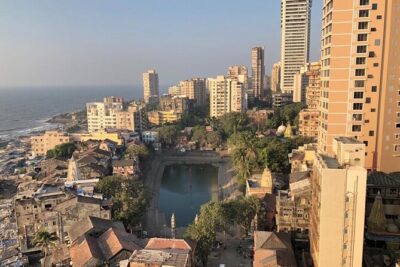
Private Guided Spiritual Walk in Banganga Hindu Temples
Read our review →
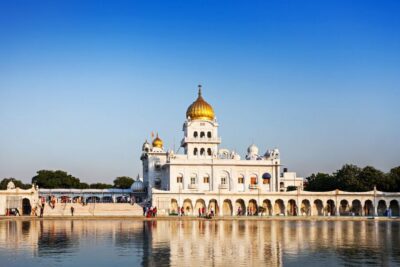
Old Delhi Temples and Spiritual Sites Private 6-Hour Tour
Read our review →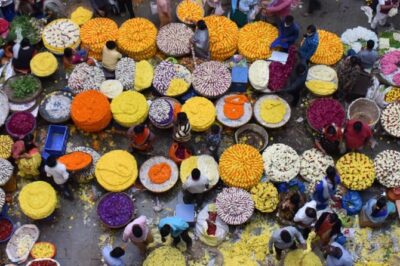
Tipu Palace + Koté Vishnu + Fort + KR Market + Jain Temple = Bengaluru Pété Walk
Read our review →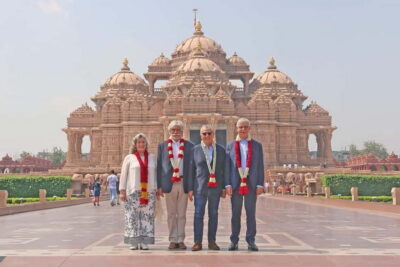
New Delhi: Akshardham Temple Light Show with Custom Add-Ons
Read our review →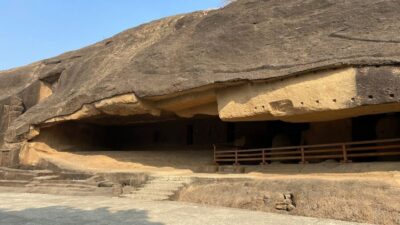
Mumbai: Kanheri Caves and The Golden Pagoda Temple
Read our review →This tour also ranks in